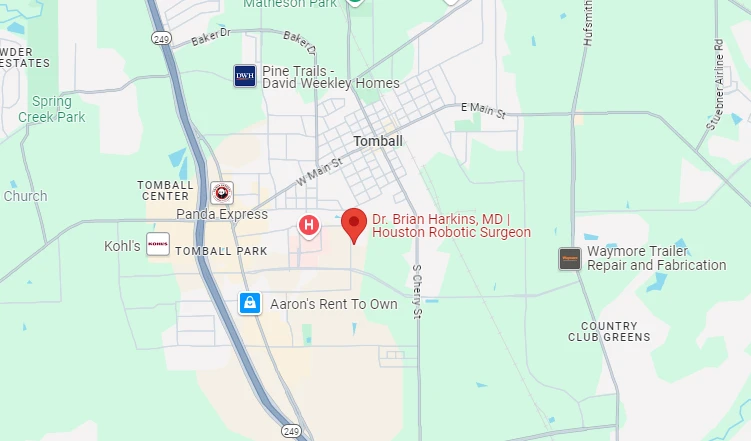
455 School St. Bldg. 1, Suite 10 Tomball, Texas 77375
Mon-Thu: 9:00 am – 5:00 pm | Fri: 9:00 am – 2:00 pm


Weight gain is common but not inevitable. Studies report men gaining about 4.6 percent and women about 3.3 percent of preoperative weight within six months. Two forces drive it: metabolic changes from continuous bile flow that affect glucose regulation and fat storage, and behavioral change, since foods that previously caused pain become tolerable again. Awareness of both, paired with balanced eating and activity, prevents most of it.
If you're scheduled for gallbladder removal in Tomball, TX, you've probably wondered whether the surgery will affect your weight. Many patients worry they'll gain pounds after their gallbladder is gone, and the truth is that weight changes can happen, but they're not inevitable.
The good news is that understanding how laparoscopic cholecystectomy affects your metabolism and digestion can help you take simple steps to maintain a healthy weight while still enjoying relief from gallstone pain. In this article, you'll learn what the research says about weight gain after gallbladder surgery, why it happens, and what you can do to stay on track.
Many patients experience weight gain in the months and years following surgery. Several observational studies have documented significant increases in body weight within six months to a few years after the procedure.
One study found that men gained an average of 4.6 percent of their preoperative weight, while women gained approximately 3.3 percent within six months after surgery. A UK study of 103 patients confirmed that gallbladder removal was associated with significant weight gain after six months, regardless of gender.
A large Chinese study involving 5,672 patients revealed even broader metabolic effects. Researchers found that cholecystectomy was related not only to weight gain but also to higher fasting blood glucose levels and an increased prevalence of metabolic syndrome, even when accounting for the presence of gallstones.
When your gallbladder is removed, your body's bile flow changes dramatically. Instead of storing and releasing concentrated bile when you eat, bile now flows continuously from your liver directly into your small intestine at a lower concentration.
This continuous flow means bile acids recirculate through your system at least twice as often as before. These changes affect important metabolic pathways that influence how your body burns energy, processes sugar, and stores fat.
Studies show that gallbladder removal can lead to altered glucose regulation, with higher blood sugar levels after meals and increased insulin resistance. The procedure has also been linked to elevated triglyceride levels and an increased risk of non-alcoholic fatty liver disease.
One of the most significant factors in post-surgery weight gain is behavioral rather than metabolic. Before gallbladder removal, many people avoid fatty foods because they trigger pain, nausea, or digestive discomfort.
After surgery, these symptoms often disappear completely. Clinical guidance notes that weight gain is common after gallbladder surgery because once people heal from the operation, they may start eating the fattier foods they had previously avoided.
This diet liberalization can lead to increased calorie intake without patients realizing it. Foods that were off-limits for months or years suddenly become appealing again, and it's easy to overindulge. This behavioral factor is often larger than the metabolic one, which is encouraging, because behavior is the part you can directly control.
Many patients actually lose a small amount of weight immediately after surgery. This temporary weight loss happens because of reduced appetite, postoperative discomfort, and adherence to a bland or low-fat diet during recovery.
However, this early weight loss is typically modest and temporary. Most people return to their pre-surgery weight within a few months, and many continue to gain additional weight over the following year. The table below shows the typical pattern.
| Time after surgery | What usually happens | Why |
| First 1 to 2 weeks | Modest weight loss | Reduced appetite, bland low-fat diet |
| 1 to 3 months | Return to pre-surgery weight | Appetite and normal eating resume |
| 6 months | Gain of roughly 3 to 5 percent | Diet liberalization plus metabolic change |
| Beyond 1 year | Continued gain in some patients | Sustained calorie increase, insulin resistance |
Some patients experience ongoing digestive issues after surgery that can impact weight. Bile acid diarrhea occurs in approximately 5 to 12 percent of patients after the procedure.
When bile acids aren't properly absorbed by the colon, they stimulate water and electrolyte secretion, leading to chronic watery stools. In cases of persistent diarrhea, malabsorption and energy loss may actually prevent weight gain or cause weight loss in affected individuals.
Your digestive system needs time to adjust after surgery. Clinical guidance suggests avoiding high-fat foods, fried and greasy items, and fatty sauces for at least a week after the procedure.
During the initial recovery period, focus on:
Most institutions recommend gradually reintroducing foods and paying attention to how your body responds to different items.
Despite common advice to follow a strict low-fat diet after gallbladder removal, the evidence for long-term dietary restriction is surprisingly limited. One study found no significant difference in symptom improvement between low-fat diets and regular diets fifteen days after surgery.
The truth is that dietary needs vary from person to person. There is no universal standard for nutrition after gallbladder surgery, and recommendations should be individualized based on your symptoms and tolerance.
Published patient guidance notes that it is still possible to manage your weight after gallbladder removal much as you would otherwise, emphasizing gradual, sustainable lifestyle changes rather than restriction.
To maintain a healthy weight after surgery, focus on balanced nutrition:
Rather than eliminating fat entirely, focus on choosing healthier fats in moderate amounts. Your body still needs some dietary fat to absorb vitamins and support other functions.
Physical activity plays an important role in preventing weight gain after surgery. Most patients can resume light daily activities, including walking, within a few days after laparoscopic gallbladder removal.
You can typically return to non-strenuous work within three to five days. Normal activities can be resumed in one to two weeks, with full healing occurring around six weeks after surgery.
Start slowly and gradually increase your activity level as you heal. Walking is an excellent first step that helps with recovery, supports digestion, and reduces the risk of blood clots during early healing.
As you regain strength, consider:
Regular physical activity not only helps control weight but also improves insulin sensitivity and metabolic health, which can be particularly important after gallbladder removal given the documented changes in glucose regulation.
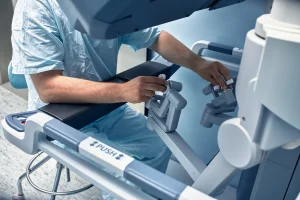
In Tomball and the greater Houston area, laparoscopic cholecystectomy is the standard approach for gallbladder removal, and robotic surgery techniques are also used for many patients.
This minimally invasive approach offers several advantages:
Laparoscopic gallbladder removal is one of the safest abdominal operations, with mortality rates between 0.22 percent and 0.4 percent. Most patients return home the same day or within twenty-four hours.
Typical recovery includes:
For most people with clear gallbladder symptoms, life genuinely improves after surgery, with significant relief of digestive distress and low complication rates.
Being aware that weight gain is common after gallbladder surgery puts you in a better position to prevent it. Regular weigh-ins can help you catch small increases before they become larger problems.
Consider tracking:
This information helps you and your healthcare provider make informed decisions about your diet, activity, and long-term lifestyle adjustments.
If you're experiencing significant weight gain, persistent digestive issues, or concerns about your metabolic health after gallbladder removal, don't hesitate to reach out to your surgeon or primary care physician.
A registered dietitian can provide personalized nutrition guidance tailored to your specific needs and symptoms. They can help you develop an eating plan that supports healthy weight management while ensuring you get adequate nutrition.
Working with an experienced robotic surgeon in Tomball means your follow-up care happens locally, and patients with ongoing concerns can schedule an appointment rather than waiting for symptoms to escalate.
Often, but not always. Studies report men gaining about 4.6 percent and women about 3.3 percent of preoperative weight within six months. Both metabolic changes and the return of previously avoided fatty foods contribute, and both are manageable.
Two reasons. Bile now flows continuously rather than in concentrated releases, altering glucose regulation, insulin sensitivity, and fat storage. Separately, foods that once caused pain become tolerable, so calorie intake often rises without patients noticing.
Both, though the behavioral component is frequently the larger one. That's encouraging, because diet liberalization after symptom relief is something you can recognize and manage directly, unlike the underlying metabolic shift.
Many patients do, temporarily. Reduced appetite, postoperative discomfort, and a bland low-fat recovery diet often produce modest early loss. Most people return to their pre-surgery weight within a few months as normal eating resumes.
No. Evidence for long-term strict restriction is limited, and one study found no significant symptom difference between low-fat and regular diets fifteen days post-surgery. Focus on balanced meals and moderate healthy fats rather than elimination.
Research links cholecystectomy to higher fasting blood glucose, increased insulin resistance, elevated triglycerides, greater prevalence of metabolic syndrome, and increased risk of non-alcoholic fatty liver disease. Regular monitoring with your physician is worthwhile.
Yes, in some patients. Bile acid diarrhea affects roughly 5 to 12 percent of people after surgery, and the resulting malabsorption and energy loss can prevent weight gain or cause loss. Persistent diarrhea should be evaluated.
Light activity including walking resumes within a few days. Non-strenuous work is typically fine at three to five days, normal activities at one to two weeks, and complete healing around six weeks. Build intensity gradually.
It is among the safest abdominal operations, with mortality rates between 0.22 and 0.4 percent. Most patients go home the same day or within twenty-four hours, with smaller incisions, less pain, and fewer complications than open surgery.
If you notice significant weight gain, persistent digestive symptoms, or concerns about metabolic health, contact your surgeon or primary care physician. A registered dietitian can build an individualized eating plan around your specific tolerances.
Weight gain after gallbladder removal is common enough to plan for and far from guaranteed. The research is consistent on the scale of it, roughly 3 to 5 percent of body weight within six months, and equally consistent that two separate forces are at work. Continuous bile flow genuinely changes how your body handles glucose and stores fat, and that part is real physiology. But the larger contributor for most patients is simpler: foods that used to cause pain stop causing pain, and calorie intake quietly climbs.
That second factor is the reason awareness matters so much here. Knowing in advance that your appetite for previously off-limits foods will return puts you in position to enjoy the relief without absorbing the calories. Balanced meals with moderate healthy fats rather than blanket restriction, a return to walking within days and real activity within weeks, and periodic weigh-ins to catch small increases early are enough for most people. And if you find yourself losing weight with persistent diarrhea instead, that is worth reporting, since bile acid diarrhea affects a meaningful minority and responds to treatment.
Manage your weight and digestion after gallbladder surgery with local follow-up.
Schedule a consultation with Dr. Brian Harkins in Tomball.


Dr. Brian Harkins is a renowned surgeon specializing in advanced, minimally invasive, and robotic surgical techniques. With a dedication to innovation and personalized patient care, he has transformed countless lives by delivering exceptional outcomes.
I want a website like this, where do i start?