455 School St. Bldg. 1, Suite 10 Tomball, Texas 77375
Mon-Thu: 9:00 am – 5:00 pm | Fri: 9:00 am – 2:00 pm

If you're searching for ways to fix a hernia without surgery in Tomball, TX, you need to understand a critical medical reality: hernias cannot heal on their own and require surgical intervention. There is no legitimate non-surgical cure.
If you're searching for ways to fix a hernia without surgery in Tomball, TX, you need to understand a critical medical reality: hernias cannot heal on their own. Despite misleading online claims promoting herbal remedies, exercise programs, or specialized belts, the structural defect that defines a hernia requires surgical intervention. There is no legitimate non-surgical cure. This article will clarify what hernia surgery actually involves, help you understand your options, and guide you toward making an informed decision about your treatment.
The good news is that hernia surgery has evolved dramatically in recent years. Tomball residents now have access to advanced surgical techniques, including minimally invasive laparoscopic and robotic-assisted procedures, that offer faster recovery times, reduced complications, and excellent outcomes. Whether you're a working professional concerned about downtime, a Medicare-eligible senior navigating coverage questions, or someone who's been putting off treatment due to fear or confusion, understanding the truth about hernia repair is your first step toward relief.
In this comprehensive guide, we'll examine why hernias require surgical correction, explore the modern surgical approaches available locally, discuss what recovery really looks like, address Medicare's recent policy changes, and help you recognize when a hernia becomes a medical emergency. You'll also discover how to find experienced specialists in the Tomball area and what you can realistically expect regarding costs, outcomes, and long-term results.
A hernia is not a minor strain or muscle pull. It's a permanent structural defect in your abdominal wall. The condition occurs when internal tissue or organs push through a weakened area in the surrounding muscle, creating a noticeable bulge under your skin.
Think of it like a tear in fabric: once the fibers separate, they cannot spontaneously weave back together. The same principle applies to the muscle and connective tissue (fascia) that form your abdominal wall. These tissues lack the biological capacity to regenerate in a way that would bridge or close the defect on their own.
Nearly one million Americans annually seek treatment for hernias, making them one of the most common conditions addressed through hernia repair surgeries. This overview of the main hernia conditions helps explain your symptoms and treatment pathway:
| Hernia Type | Location | Key Notes |
| Inguinal | Groin, where the abdominal wall is naturally weaker | Most prevalent; men significantly more likely, though women can develop them |
| Umbilical | Near the belly button | Common in infants and many resolve by age two; adults require surgical treatment |
| Femoral | Upper thigh near the groin crease | Affects women more frequently than men |
| Incisional | Previous surgical sites | Affects approximately 10 to 15% of people who undergo abdominal surgery |
| Hiatal | Where part of the stomach pushes through the diaphragm | Affects approximately 50% of people over age 50 |
Hernias develop through a combination of factors: congenital weakness present from birth, age-related muscle deterioration, previous surgeries that weakened tissue, or acute strain from heavy lifting, chronic coughing, or straining during bowel movements. The bulge often becomes more prominent when standing, coughing, or straining, and may disappear when lying down, but this temporary reduction does not indicate healing. Without surgical intervention, the hernial opening typically increases progressively, making future repair more complex.
If you're searching online for ways to treat a hernia without surgery, you're not alone. Nearly one million Americans annually seek treatment for hernias, and many hope to avoid the operating room. Unfortunately, the medical evidence is unequivocal: hernias cannot be permanently cured without surgery. This isn't a matter of debate or differing medical opinions. It's a biological reality confirmed by authorities such as the U.S. National Library of Medicine's MedlinePlus, which notes that treatment is usually surgery to repair the opening in the muscle wall.
A hernia represents a permanent structural defect in your muscle or connective tissue. Think of it like a tear in fabric: once the muscle fibers are separated, they simply won't spontaneously weave back together. Muscle and fascia tissue lack the biological capacity to regenerate in a way that would bridge or close this opening. Without surgical intervention, the herniated contents typically continue to enlarge and push further through the defect, progressively worsening over time.
Why common non-surgical approaches don't work:
These non-surgical approaches may provide temporary symptom relief, but they don't address the fundamental problem. Worse, they can give false hope and delay proper care, allowing the hernia to enlarge and increasing your risk of serious complications like incarceration (trapped tissue) or strangulation (compromised blood supply). In a strangulated hernia, trapped intestine could begin dying in as little as four hours, a life-threatening emergency.
For select patients, particularly those aged 50 years or older with small, asymptomatic hernias, watchful waiting may be a reasonable approach under medical supervision. However, this is monitoring, not treatment. Your doctor will assess your individual risk factors to determine whether hernia surgery can be safely delayed or should be performed promptly.
Understanding when hernia surgery transitions from optional to medically necessary helps you make informed decisions about your health. While not every hernia requires immediate intervention, specific clinical indicators signal that hernia repair surgeries should not be delayed.
Hernia surgery becomes necessary when your hernia causes persistent pain, limits your daily activities, or shows signs of progressive growth. Unlike many conditions that may improve with time, hernias cannot be permanently cured without surgery. The muscle tissue simply does not repair itself. With nearly one million hernia repair procedures performed annually in the United States, surgical intervention has become a well-established solution for this common condition.
If your hernia produces significant symptoms, such as discomfort during physical activity, visible bulging that worsens throughout the day, or interference with work or exercise, surgical repair is typically the appropriate medical response rather than continued monitoring.
Postponing hernia surgery when clinically indicated carries real risks. Hernias typically enlarge over time if left untreated, and larger hernias require more complex repairs with longer operative times and recovery periods. Early surgical repair is typically simpler, safer, and more effective than waiting until complications develop. Two emergency situations demand immediate surgical attention:
Strangulation represents a medical emergency that can lead to tissue death, sepsis, or gangrene without immediate intervention.
Watchful waiting has proven effective primarily in patients aged 50 years or older with small, asymptomatic hernias and low incarceration risk. However, this approach requires regular monitoring by a qualified surgeon and should never be attempted if your hernia causes symptoms or shows risk factors for complications.
If you're facing hernia surgery in Tomball, you have more options than ever before, and modern techniques deliver significantly faster recovery with less pain than traditional approaches. Understanding your surgical choices empowers you to have productive conversations with your surgeon about which method best suits your hernia type, lifestyle, and recovery goals.
Today's hernia repair surgeries fall into three main categories, each with distinct advantages:
| Approach | Incisions | Recovery | Notable Advantages |
| Open hernia repair | Single larger incision over the hernia site | 4 to 6 weeks for full activity; desk workers may return in 2 to 3 weeks | Time-tested; can use local anesthesia with sedation for patients who cannot tolerate general anesthesia |
| Laparoscopic (keyhole) | 3 to 4 small incisions of 5 to 10 millimeters each | Drops to 1 to 2 weeks; light activities within days | Reduces hospital stays by 2.24 days on average; wound infection risk drops by 71%; ideal for bilateral or recurrent hernias |
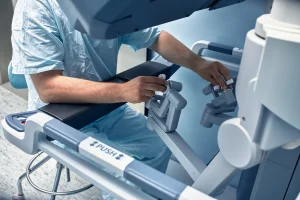
| Robotic-assisted | Small incisions similar to laparoscopic surgery | Similar to laparoscopic | Uses the Da Vinci Surgical System for enhanced precision |
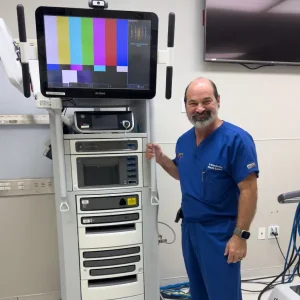
Local Tomball patients have access to robotic hernia surgery through experienced surgeons like Dr. Brian Harkins at Tomball Regional Medical Center, who brings over 10 years of robotic platform experience with a Master of Surgery designation.
Here's reassuring news: when performed correctly by experienced surgeons, all three modern techniques achieve comparable long-term success rates. Nearly 1 million hernia repair procedures are performed annually in the United States, and most are now outpatient procedures allowing same-day discharge. Your optimal choice depends on your specific hernia type, overall health factors, and your surgeon's expertise, not a one-size-fits-all answer. The good news is that you don't need to travel to Houston for cutting-edge care. Tomball offers local access to all these advanced surgical options.
Understanding your recovery timeline is crucial when planning for hernia repair surgeries, especially if you're a working professional who needs to minimize time away from your job and daily responsibilities. The good news is that recovery follows a predictable, phase-based progression, with timelines varying significantly based on your surgical approach.
The most important factor determining your recovery time is whether you undergo laparoscopic or robotic surgery or traditional open surgery. Most hernia repair surgeries are outpatient procedures with same-day discharge, allowing you to recover in the comfort of your home. However, the recovery period itself differs dramatically:
| Surgical Approach | Initial Recovery | Full Recovery |
| Laparoscopic / robotic repair | 1 to 2 weeks | 6 to 8 weeks |
| Open hernia surgery | 4 to 6 weeks | 8 to 12 weeks |
For working professionals seeking minimal downtime, this difference is substantial. Laparoscopic surgery results in significantly less postoperative pain and faster return to normal activities, a critical consideration when planning time off work.
Your recovery progresses through predictable stages:
Your return-to-work timeline depends on both your surgical approach and job type. Desk jobs allow a return within 1 to 2 weeks after laparoscopic surgery or 2 to 3 weeks after open surgery. Physically demanding jobs allow a return within 1 to 2 weeks for laparoscopic procedures, but 4 to 6 or more weeks for open surgery.
To protect your surgical repair during the initial healing phase, follow these critical activity restrictions:
Remember that recovery timelines are individualized based on your overall health, the specific procedure performed, and your healing trajectory. Factors like obesity, smoking, and chronic cough can extend recovery times. Ignoring activity restrictions can compromise your surgical repair, so following your surgeon's guidelines is essential for optimal outcomes.
No, hernias cannot heal on their own because the muscle or tissue wall cannot repair itself naturally. Surgery is the only permanent solution to fix a hernia. The only exception is umbilical hernias in infants under age 2, which may close spontaneously.
Inguinal hernias are the most common type, occurring in the groin area where the abdominal wall is naturally weaker. This common type of hernia affects men significantly more often than women, though women can also develop them. Nearly one million Americans annually seek treatment for various types of hernias.
Recovery time depends on your surgical approach. Laparoscopic or robotic hernia repair typically requires 1 to 2 weeks for light activities and 4 to 6 weeks for full recovery, while open hernia surgery generally needs 4 to 6 weeks initially and 8 to 12 weeks for complete healing. Your specific recovery timeline also depends on your job type, with desk jobs allowing earlier return to work than physically demanding positions.
Open hernia repair uses one larger incision directly over the hernia site and typically requires 4 to 6 weeks for initial recovery, while laparoscopic surgery uses 3 to 4 small incisions and offers faster recovery of just 1 to 2 weeks. Both hernia repair surgeries are highly effective when performed by experienced surgeons, but laparoscopic approaches reduce wound infection risk by 71% and hospital stays by an average of 2.24 days compared to open surgery.
Yes, Tomball residents have local access to robotic-assisted hernia repair using the Da Vinci Surgical System at Tomball Regional Medical Center. Dr. Brian Harkins, who specializes in this minimally invasive approach, brings over 10 years of robotic surgery experience with a Master of Surgery designation. This means you don't need to travel to Houston for advanced hernia surgery options.
A hernia becomes a medical emergency when it's strangulated, meaning blood supply to trapped tissue is cut off, potentially causing intestinal tissue to die in as little as four hours. Warning signs include sudden severe pain, nausea and vomiting, inability to pass gas, fever, rapid heart rate, or a hernia bulge that turns red, purple, or dark. Seek immediate emergency care if you experience these symptoms.
While you cannot heal an existing hernia without surgery, you can temporarily slow its progression by avoiding heavy lifting, maintaining a healthy weight, treating chronic cough, preventing constipation, and not smoking. However, hernias typically enlarge over time regardless of these precautions, which is why early surgical repair is often recommended rather than watchful waiting.
During initial healing, avoid lifting anything heavier than 10 to 15 pounds during the first week, prevent constipation and straining that can stress the repair site, and increase physical activity only under your surgeon's guidance. Wait for surgeon clearance before returning to exercise and sports, typically 6 to 8 weeks post-surgery.
Watchful waiting has proven effective primarily in patients aged 50 years or older with small, asymptomatic hernias and low incarceration risk, under regular monitoring by a qualified surgeon. It should never be attempted if your hernia causes symptoms or shows risk factors for complications, as this is monitoring rather than treatment.
Hernia repair surgeries in the Houston-Tomball area typically cost between $10,113 and $13,924 for outpatient procedures. The exact cost depends on your hernia type, whether you have open hernia repair or minimally invasive surgery, facility fees, and your insurance coverage. Most insurance plans, including Medicare, cover medically necessary hernia surgery.
Hernia surgery is the only proven way to permanently repair a hernia, but modern techniques have made the process safer, faster, and less disruptive than ever before. While the prospect of surgery may feel overwhelming, understanding your options, from minimally invasive laparoscopic procedures to robotic-assisted repair, empowers you to make confident decisions about your health. Thousands of Tomball residents successfully undergo hernia repair each year, returning to work within 1 to 2 weeks and resuming normal activities with minimal long-term limitations.
You don't need to live with discomfort, worry about complications, or delay treatment any longer. The right surgical approach, combined with an experienced local specialist, can deliver the relief and peace of mind you deserve. Now that you understand your surgical options and what recovery really looks like, take the first step toward relief.
Schedule a consultation with an experienced Tomball hernia specialist today.
Get answers about your surgical options and recovery.


Dr. Brian Harkins is a renowned surgeon specializing in advanced, minimally invasive, and robotic surgical techniques. With a dedication to innovation and personalized patient care, he has transformed countless lives by delivering exceptional outcomes.
I want a website like this, where do i start?