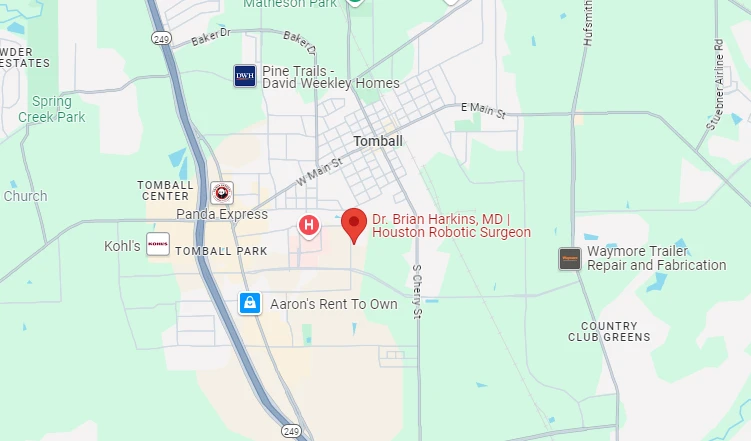
455 School St. Bldg. 1, Suite 10 Tomball, Texas 77375
Mon-Thu: 9:00 am – 5:00 pm | Fri: 9:00 am – 2:00 pm


Yes. Robotic-assisted surgery consistently reduces recovery time compared to traditional open surgery. Most patients go home within one to two days and return to full activity within four to six weeks, compared to six to eight weeks for open surgery. Smaller incisions, less blood loss, and reduced tissue damage are the primary reasons healing happens faster.
If you're facing surgery in Tomball, TX, you've probably wondered whether robotic surgery could help you recover faster and get back to daily life sooner. Many patients want to know how much quicker recovery really is, what specific benefits minimally invasive procedures offer, and whether the technology is safe and effective. This article breaks down how robotic-assisted surgery works, what the research shows about healing times, and what you can realistically expect during recovery.
When considering surgical options, recovery time is often the top concern for patients. The evidence consistently shows that robotic-assisted surgery substantially reduces both hospital stay duration and overall recovery time compared to open surgery.
For many common procedures, patients undergoing robotic surgery can return home within one to two days, compared to several days for traditional open surgery. Most patients resume desk work and light daily activities within two to three weeks, with full recovery typically achieved within four to six weeks.
| Recovery Milestone | Open Surgery | Laparoscopic | Robotic |
| Hospital discharge | 3 to 5 days | 1 to 2 days | Same day to 2 days |
| Return to desk work | 4 to 6 weeks | 2 to 3 weeks | 2 to 3 weeks |
| Full recovery | 6 to 8 weeks | 4 to 6 weeks | 4 to 6 weeks |
| Pain medication type | IV opioids | Oral + IV | Oral analgesics |
| Blood transfusion risk | Higher | Reduced | Significantly reduced (RR 0.32) |
Several key factors explain why patients heal faster with robot-assisted surgery compared to traditional open procedures. Understanding these factors helps set realistic expectations for your recovery.
One of the most significant advantages is dramatically reduced bleeding during surgery. Studies show robotic-assisted surgery has substantially reduced transfusion rates, with a relative risk of 0.32 compared to open surgery. Less blood loss during the procedure translates directly to a stronger, faster recovery afterward.
Smaller incisions mean less postoperative pain, which has cascading benefits for recovery. When you experience less pain, you can move around sooner, breathe more deeply, and avoid complications associated with immobility.
Most robotic surgery patients report minimal pain requiring only oral analgesics rather than intravenous opioids. This means you avoid the side effects of stronger pain medications, including nausea, constipation, and drowsiness that slow recovery.
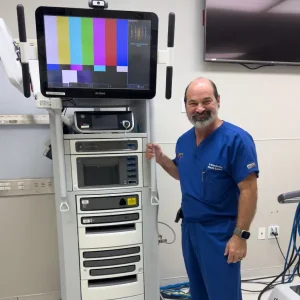
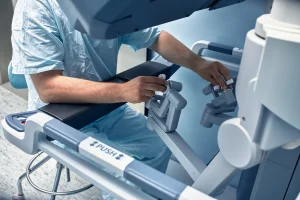
The da Vinci system provides surgeons with 3D high-definition imaging with up to 15x magnification. The instruments allow movements with greater precision than the human hand alone and filter out natural hand tremors. This enhanced precision means less collateral tissue damage and fewer postoperative complications. When surrounding tissues remain undamaged, your body focuses its healing energy on the surgical site itself.
Infection risk decreases substantially with smaller incisions and reduced tissue disruption. Smaller wounds mean less exposure to potential contaminants and faster wound closure. Lower infection rates translate directly to fewer complications and a speedier overall recovery. According to MedlinePlus, minimally invasive approaches consistently show lower surgical site infection rates compared to open procedures.
Different procedures have different recovery timelines, but robotic surgery consistently outperforms traditional approaches across specialties. The following reflects typical outcomes for patients in good health undergoing elective procedures.
Patients typically return home within 1 to 2 days after robotic colorectal surgery. Most resume desk work within 2 to 3 weeks and achieve full recovery within 4 to 6 weeks. This compares to six to eight weeks for open surgery, a meaningful difference for patients eager to return to normal life.
Robotic hysterectomy averages four to six weeks for full recovery, with many patients able to return to light activities within 24 to 28 hours after surgery. The minimally invasive approach allows for much faster return to daily routines compared to traditional abdominal hysterectomy, which typically requires six to eight weeks.
Prostate surgery patients typically return home the day after surgery and resume work two to three weeks later. The precision of robotic surgery is particularly valuable for this delicate procedure. Close to 75% of prostate cancer surgeries in the United States are now performed robotically, reflecting the strong outcomes data behind this approach.
| Procedure | Robotic Discharge | Return to Work | Full Recovery |
| Colorectal surgery | 1 to 2 days | 2 to 3 weeks | 4 to 6 weeks |
| Robotic hysterectomy | Same day to 24 hrs | 1 to 2 weeks | 4 to 6 weeks |
| Prostatectomy | Next day | 2 to 3 weeks | 4 to 6 weeks |
| Hernia repair | Same day | 1 to 2 weeks | 3 to 4 weeks |
| Bariatric surgery | 1 to 2 days | 2 to 4 weeks | 4 to 6 weeks |
Beyond faster recovery, robotic surgery delivers high patient satisfaction and strong safety outcomes that are well-documented in peer-reviewed research.
Patient satisfaction following robotic surgery is consistently high, with studies reporting 85 to 98% of patients expressing positive feedback about surgical outcomes. In one comprehensive assessment, 50% reported being very satisfied, 35% satisfied, 10% neutral, and only 5% dissatisfied. This high satisfaction reflects the combination of faster recovery, less pain, smaller scars, and fewer complications.
Overall perioperative complication rates for robotic surgery are approximately 10%, with complications related directly to robotic system malfunction reported at just 0.1 to 0.5%. As documented by Intuitive Surgical, more than 10 million robotic procedures have been performed globally using the da Vinci platform, with a strong safety record across specialties.
Conversion from robotic to open surgery also occurs less frequently with robotic approaches compared to laparoscopic surgery. This means surgeons complete more procedures as planned without needing to switch to a larger incision.
| Metric | Robotic Surgery | Open Surgery |
| Overall complication rate | ~10% | Higher for comparable indications |
| Robotic malfunction rate | 0.1 to 0.5% | N/A |
| Conversion to open rate | 1 to 5% | N/A |
| Blood transfusion rate | RR 0.32 vs open | Baseline |
| Patient satisfaction | 85 to 98% positive | Lower for equivalent procedures |
If you're considering surgery in Tomball, you have access to recognized centers of excellence and highly experienced surgeons. As a robotic surgeon in Tomball, Dr. Brian Harkins brings advanced training and extensive case volume to each procedure.
HCA Houston Healthcare Tomball earned accreditation as a Center of Excellence in Robotic Surgery from the Surgical Review Corporation in 2021 and has maintained this designation through ongoing compliance. This accreditation indicates the facility meets nationally and internationally recognized standards for robotic surgery, including surgical volume, facility equipment, clinical pathways, and quality assessment protocols.
While robotic surgery offers faster healing, understanding what to expect helps you prepare for a smooth recovery process from the day of surgery through full activity.
Most patients spend one to two nights in the hospital, though some procedures allow same-day or next-day discharge. You'll likely experience some discomfort at incision sites, but pain is typically manageable with oral medications. Your surgical team will encourage you to get up and walk as soon as possible, usually within hours of surgery. Early movement helps prevent blood clots and speeds overall recovery.
During the first two to three weeks, you'll gradually increase your activity level. Most patients handle light daily activities and desk work during this period. You'll need to avoid heavy lifting and strenuous exercise until your surgeon clears you. Follow all post-operative instructions carefully, including wound care, medication schedules, and activity restrictions. Attending all follow-up appointments ensures your surgeon can monitor your healing progress and catch any issues early.
Full recovery typically occurs within four to six weeks for most robotic procedures. Your surgeon will provide specific guidance based on your procedure type, overall health, and healing progress. Some patients feel ready to resume all activities earlier, while others need additional time. Communicate openly with your surgical team about your progress throughout recovery. If you experience unexpected symptoms such as fever, increased pain, or wound changes, contact your surgical team promptly rather than waiting for your next scheduled appointment.
Most robotic surgery patients achieve full recovery in 4 to 6 weeks, compared to 6 to 8 weeks for open surgery. Hospital stays are also shorter, typically 1 to 2 days versus 3 to 5 days. The difference varies by procedure and individual patient health.
Most patients manage postoperative pain with oral over-the-counter or prescription analgesics. IV opioids are rarely needed. Your surgical team will provide a pain management plan tailored to your procedure and individual needs.
Most patients are encouraged to walk within hours of surgery. Early movement is a key part of the recovery protocol. It reduces the risk of blood clots, improves lung function, and helps your body begin healing more effectively.
Some procedures allow same-day discharge. Others require one to two nights of monitoring. Your surgeon will give you a clear expectation before the procedure based on your specific operation and overall health status.
Heavy lifting and strenuous exercise are typically restricted for the first three to four weeks. Light walking and desk work are usually permitted within one to two weeks. Your surgeon will provide specific restrictions based on your procedure type and how your recovery progresses.
Research shows robotic surgery is safe and feasible in patients 85 and older. Recovery timelines may be slightly longer for older patients or those with multiple health conditions, but the advantages of smaller incisions and reduced blood loss still apply. Your surgeon will tailor recovery expectations to your health profile.
Keep incision sites clean and dry according to your surgeon's instructions. Watch for signs of infection including redness, swelling, warmth, or discharge. Attend all follow-up appointments so your surgeon can monitor healing progress and address any concerns early.
Robotic surgery uses incisions of 0.5 to 1 cm, which leave minimal visible scarring compared to the 6 to 12 inch incision required for open surgery. Most patients describe the marks as small dots that fade significantly over time.
Conversion to open surgery occurs in approximately 1 to 5% of robotic procedures, lower than the rate for laparoscopic surgery. Your surgical team prepares for this possibility with every case. Conversion is a planned safety protocol, not a complication.
Most patients in reasonable health are candidates for robotic surgery. Factors your surgeon evaluates include your BMI, prior abdominal surgeries, ability to tolerate general anesthesia, and the complexity of your specific procedure. Age alone is not a disqualifying factor. Research confirms robotic surgery is safe in patients 85 and older with multiple health conditions. Schedule a consultation to discuss your individual situation and get a clear recommendation based on your anatomy and health history.
Robotic surgery offers measurably faster recovery than traditional open surgery across the most common procedures. Smaller incisions, reduced blood loss, lower infection risk, and less postoperative pain all contribute to a recovery that takes weeks rather than months. The technology is proven, the safety profile is well-established, and patient satisfaction rates consistently exceed 85%.
Choosing the right surgeon and facility matters as much as the technology itself. HCA Houston Healthcare Tomball's Center of Excellence accreditation and Dr. Harkins' extensive robotic surgery experience give Tomball patients access to high-quality minimally invasive care close to home. Preparing in advance, following post-operative instructions carefully, and staying engaged with your care team throughout recovery are the steps that lead to the best outcomes.
To find out if robotic surgery is the right option for your procedure, call 281-247-0503 or visit the contact page to schedule a consultation with Dr. Brian Harkins in Tomball, TX.
Schedule your robotic surgery consultation in Tomball today.
Contact Dr. Harkins to discuss your procedure and expected recovery timeline.


Dr. Brian Harkins is a renowned surgeon specializing in advanced, minimally invasive, and robotic surgical techniques. With a dedication to innovation and personalized patient care, he has transformed countless lives by delivering exceptional outcomes.
I want a website like this, where do i start?