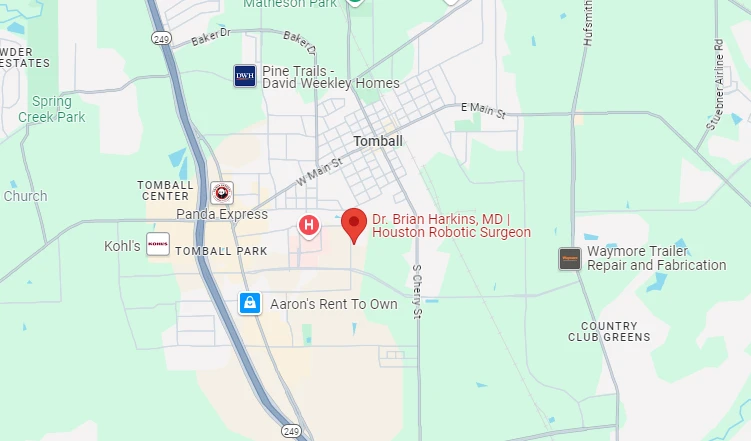
455 School St. Bldg. 1, Suite 10 Tomball, Texas 77375
Mon-Thu: 9:00 am – 5:00 pm | Fri: 9:00 am – 2:00 pm


The most recognizable warning sign is a visible bulge in the groin or abdomen that becomes more noticeable when standing, coughing, or straining, often with aching, pressure, or pain that worsens on exertion. Seek emergency care for sudden severe pain, skin discoloration, vomiting, or inability to pass gas or stool, which signal strangulation.
A hernia occurs when an organ or tissue pushes through a weak spot in the surrounding muscle or connective tissue, and knowing the warning signs can help you decide when to seek medical care. Many people wonder what a hernia actually feels like, whether it will go away on its own, and when symptoms signal a medical emergency that requires immediate attention rather than a routine appointment.
This article will walk you through the common warning signs of different types of hernias, explain when you need to see a doctor, and help you understand how early detection can lead to better outcomes with modern hernia repair options.
A hernia occurs when an organ or tissue pushes through a weak spot in the surrounding muscle or connective tissue. Recognizing the type of hernia you may have is the first step toward proper treatment, and this overview of common hernia conditions shows how the warning signs differ by type.
| Hernia Type | Location | Key Facts |
| Inguinal | Lower abdominal wall into the inguinal canal (groin) | Most common at about 75%; 27% lifetime risk in men versus 3% in women; bulge often more pronounced on the right |
| Femoral | Femoral canal in the upper thigh, just below the groin | More common in women; strangulation in 5 to 20% of cases versus 1.3 to 3% of inguinal hernias |
| Umbilical | Weakness near the belly button | Common in infants and often resolves by age 2 or 5; adult cases typically require surgery |
| Hiatal | Upper stomach through the diaphragm into the chest | More common over age 50 and with obesity; causes reflux rather than a visible bulge |
| Incisional | Sites of previous surgical incisions | 25 to 30% risk after abdominal surgery complicated by wound infection |
Inguinal hernias develop when part of the intestine protrudes through the lower abdominal wall into the inguinal canal, and the most noticeable sign is a visible bulge in the groin area. Femoral hernias carry a higher risk of serious complications, making prompt evaluation critical. Umbilical hernias form when tissue pushes through a weakness near the belly button and are particularly common in infants, especially premature babies. Hiatal hernias occur when the upper part of the stomach pushes through the diaphragm into the chest cavity, typically causing acid reflux symptoms like heartburn and difficulty swallowing. Incisional hernias develop at the sites of previous surgical incisions. If you've had abdominal surgery and developed a wound infection, the risk of an incisional hernia rises to roughly 25 to 30%, which is why prior surgical history is an important part of any hernia evaluation. Across all of these types, the common thread is a weakened area of muscle or connective tissue that will not close on its own once a hernia has formed.
The most recognizable warning sign of a hernia is a visible or palpable bulge, lump, or protrusion. This bulge typically becomes more noticeable in certain situations:
The bulge may disappear when you lie down or relax. However, keep in mind that some hernias are too deep to be visible externally, so the absence of a bulge doesn't rule out a hernia.
Pain levels vary considerably from person to person. Some people experience no pain while others report mild to severe discomfort. Most people describe the sensation as a dull ache, pressure, heaviness, or sharp pain that intensifies with exertion. The discomfort typically worsens when lifting, coughing, sneezing, bending, or during prolonged standing.
When hernias involve intestinal tissue, they can interfere with normal digestive function. You may experience nausea and vomiting, bloating and abdominal distension, constipation, difficulty passing gas, and a persistent sensation of fullness. Hiatal hernias produce a distinct set of symptoms including heartburn, acid reflux, difficulty swallowing, sore throat, and hoarseness.
Incarceration occurs when hernia contents become trapped and cannot be pushed back into place. This represents a serious complication that requires prompt medical attention. Signs of an incarcerated hernia include:
Strangulation is the most serious complication and constitutes a medical emergency. It happens when blood supply is cut off to the trapped tissue. Without blood flow, the tissue begins to die (necrosis), which can progress to gangrene and lead to life-threatening infection and sepsis. National health resources such as MedlinePlus confirm that untreated hernias can cause serious health problems. Time is critical, and delay increases mortality risk significantly.
Call 911 or go to the emergency room immediately if you experience:
These symptoms demand immediate emergency care to prevent serious complications or death.
Warning signs and risks vary by patient, and understanding those differences helps prevent missed diagnoses.
| Group | Key Differences |
| Women | More likely to develop femoral hernias that push into the thigh and may not be visible; often experience only groin pain, leading to misdiagnosis; higher complication rates, so even asymptomatic hernias are often repaired |
| Men | Inguinal hernias predominate due to testicular descent; may have testicular swelling or scrotal bulging; visible bulge is typically more pronounced and easier to diagnose |
| Children | Inguinal hernias usually present from birth or early childhood; bulge most noticeable when crying, coughing, or straining; always require surgery due to high incarceration and strangulation risk |
Women face unique challenges when it comes to hernia diagnosis. Many experience only groin pain without an obvious bulge, leading to misdiagnosis as pulled muscles, gynecological problems, or urinary tract issues, which means women often face delays in treatment. Because women also tend to have more complications, including acute incarceration or strangulation, even asymptomatic hernias in women are often recommended for surgical repair. In men, inguinal hernias predominate due to anatomical factors related to testicular descent during development, and men may experience testicular swelling or scrotal bulging if the hernia extends into the scrotum. In children, particularly with inguinal hernias, the main symptom is a bulge in the groin or scrotum that is most noticeable when the child cries, coughs, or strains, and unlike some umbilical hernias that may resolve on their own, inguinal hernias will not heal without intervention.
A healthcare provider can usually diagnose a hernia through physical examination. During the exam, your provider will palpate the area for a bulge, check for tenderness, and may ask you to stand, cough, or strain. If the physical examination is inconclusive or complications are suspected, imaging such as ultrasound, CT, or MRI may be used to confirm the diagnosis and assess the hernia's size and contents.
For small, painless hernias that aren't affecting your quality of life, conservative management may be appropriate, particularly for men with mild or asymptomatic inguinal hernias. Research shows that the estimated emergency surgical repair rate is approximately 2 to 3%, with strangulation risk between 0.03 and 0.27%. However, this approach requires regular monitoring and immediate action if symptoms worsen.
Surgical hernia repair is recommended when a hernia is large, painful, growing, or affecting quality of life. It's important to understand that hernias do not heal spontaneously and will almost always require surgery eventually. Incarcerated or strangulated hernias require emergency surgery to prevent tissue death and life-threatening complications.
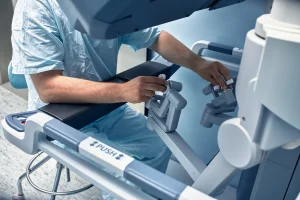
Laparoscopic and robotic-assisted approaches involve small incisions with specialized instruments. These advanced techniques offer several advantages over traditional open surgery, including less post-operative pain, smaller scars, shorter hospital stays, and faster return to normal activities. Most patients return to light activities within 1 to 2 weeks and full activity within 4 to 6 weeks following minimally invasive hernia repair.
Experience matters significantly when it comes to hernia repair outcomes. Surgeons specializing in hernia repair who perform 15 to 30 surgeries monthly offer higher quality outcomes. When selecting a surgeon, ask about:
Board certification and Center of Excellence designation indicate demonstrated excellence in hernia repair and commitment to best practices.
Recovery time varies depending on the surgical approach and the size and location of your hernia. With minimally invasive techniques, many patients experience significantly shorter recovery periods compared to traditional open surgery. Your surgeon will provide specific guidelines about activity restrictions, wound care, and when you can safely return to work and exercise. Following these instructions carefully helps ensure optimal healing and reduces the risk of recurrence.
Most people describe a dull ache, pressure, heaviness, or sharp pain that intensifies with exertion. The discomfort typically worsens when lifting, coughing, sneezing, bending, or standing for long periods, though some people experience no pain at all.
The most common sign is a visible or palpable bulge that becomes more noticeable when standing, coughing, sneezing, straining, or lifting. The bulge often disappears when you lie down or relax.
Yes. Some hernias are too deep to be seen externally, and women in particular may have only groin pain without an obvious bulge. Pain or discomfort without a visible lump still warrants medical evaluation.
Call 911 or go to the emergency room for sudden severe pain, skin over the hernia turning red, purple, blue, or dark, nausea and vomiting, fever, rapid heart rate, blood in stool, or inability to pass gas or stool.
Incarceration is when hernia contents become trapped and cannot be pushed back into place. Strangulation is when blood supply to that trapped tissue is cut off, causing tissue to die. Strangulation is a life-threatening emergency.
No. Hernias do not heal spontaneously and will almost always require surgery eventually. The main exception is some infant umbilical hernias, many of which resolve on their own by age 2 or 5.
Yes. Women more often develop femoral hernias that may not be visible, frequently experience groin pain without a bulge, and face higher complication rates. For these reasons, even asymptomatic hernias in women are often recommended for repair.
Yes. Pediatric inguinal hernias always require surgery because of the significantly increased risk of incarceration and strangulation. Unlike some umbilical hernias, inguinal hernias in children will not heal without intervention.
For small, painless hernias, especially mild or asymptomatic inguinal hernias in men, monitoring may be appropriate. The emergency repair rate is about 2 to 3%, but this approach requires regular monitoring and immediate action if symptoms worsen.
Most patients return to light activities within 1 to 2 weeks and full activity within 4 to 6 weeks. Minimally invasive techniques generally mean less pain, smaller scars, and shorter recovery than traditional open surgery.
Recognizing a hernia early gives you the best chance at a straightforward repair and a smooth recovery. A bulge that grows with standing or straining, aching or pressure that worsens on exertion, and digestive changes are all signals worth evaluating, and pain without a visible lump still deserves attention, especially for women.
Just as important is knowing the red flags that cannot wait: sudden severe pain, skin discoloration, vomiting, or an inability to pass gas or stool point to strangulation and require emergency care. Because hernias do not resolve on their own, an early evaluation with an experienced surgeon is the surest path to protecting your health.
Don't wait for a hernia to become an emergency.
Schedule an evaluation with a Tomball hernia specialist today.


Dr. Brian Harkins is a renowned surgeon specializing in advanced, minimally invasive, and robotic surgical techniques. With a dedication to innovation and personalized patient care, he has transformed countless lives by delivering exceptional outcomes.
I want a website like this, where do i start?