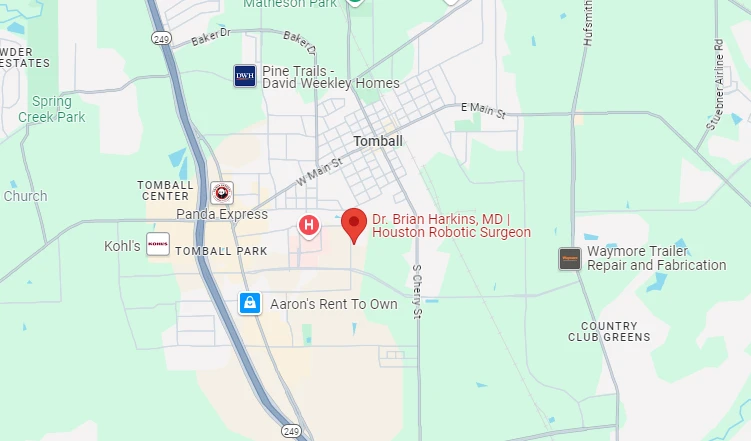
455 School St. Bldg. 1, Suite 10 Tomball, Texas 77375
Mon-Thu: 9:00 am – 5:00 pm | Fri: 9:00 am – 2:00 pm


Gallbladder removal reliably prevents future gallbladder attacks, but up to 40 percent of patients experience unexpected digestive changes like diarrhea or bloating afterward, and some find their original symptoms weren't entirely gallbladder-related. The most serious risk is bile duct injury at about 0.6 percent, where surgeon experience and access to specialized repair matter enormously.
Gallbladder removal is often presented as a straightforward solution to gallstone pain, but many patients in Tomball, TX wish they had understood more before their laparoscopic cholecystectomy. While the surgery reliably prevents future gallbladder attacks, up to 40 percent of people experience unexpected digestive changes like diarrhea or bloating afterward, and some find that their original symptoms weren't entirely gallbladder-related.
If you're considering gallbladder surgery in Houston or the surrounding area, knowing what to expect, from recovery realities to the possibility of persistent symptoms, can help you make a more informed decision. This guide walks you through the practical details, potential outcomes, and questions to ask your surgeon before committing to this permanent procedure.
Your gallbladder is a small, pear-shaped organ tucked beneath your liver. It stores bile, a digestive fluid your liver makes to break down fats. When your gallbladder is removed, bile flows directly from your liver into your small intestine instead of being stored and released in bursts.
This change doesn't stop digestion, but it does alter how bile enters your system. Instead of concentrated bursts with meals, bile drips continuously into your intestines. This steady flow can affect your colon and digestive patterns, which explains some of the long-term changes patients experience.
Most people in Tomball and the Houston area need gallbladder removal because of gallstones causing symptoms. The classic warning sign is intense pain in your right upper abdomen or chest, often radiating to your back or shoulder. This pain typically happens after meals, especially fatty ones, and can last from 30 minutes to several hours.
Common reasons doctors recommend cholecystectomy include:
Not everyone with gallstones needs their gallbladder removed. If stones are discovered accidentally on imaging and you have no symptoms, doctors usually recommend watching and waiting. Most people with silent gallstones never develop problems.
Surgery may not help if your symptoms are vague or mild. Some patients with unclear complaints actually feel worse after removal because their symptoms weren't truly gallbladder-related. This is why getting a clear diagnosis before surgery matters so much.
Laparoscopic cholecystectomy is the standard approach used in most Tomball and Houston surgery centers today. Your surgeon makes four small incisions, usually less than an inch each, and uses a camera and specialized instruments to remove your gallbladder.
The procedure relies on a technique called the "critical view of safety," where the surgeon carefully identifies key structures before cutting anything. This minimally invasive approach means less pain, smaller scars, and faster recovery than traditional open surgery.
Most patients at Houston-area facilities go home the same day after a few hours in recovery. You'll be sore and tired, but you'll recover in your own bed rather than a hospital room.
Open surgery uses a larger incision, typically 4 to 6 inches, in your upper right abdomen. Surgeons turn to this approach when laparoscopic surgery is unsafe due to severe inflammation, scar tissue from previous surgeries, unclear anatomy, or complications during the procedure.
Recovery from open surgery takes longer. You'll likely stay in the hospital 2 to 4 days and need 4 to 6 weeks before returning to normal activities. The trade-off is that your surgeon has better access and visibility in complex cases.
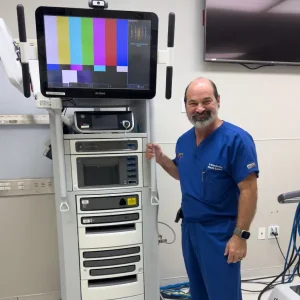
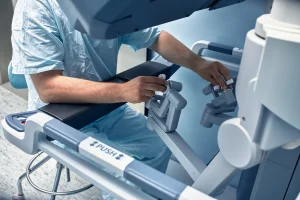
Some Houston-area practices offer robotic-assisted laparoscopic cholecystectomy. The robot gives surgeons enhanced dexterity and 3D visualization, but research hasn't shown major differences in outcomes compared to standard laparoscopic techniques for routine cases. You can learn more about robotic gallbladder surgery options and when they offer an advantage.
Outpatient surgery centers in the Tomball area perform laparoscopic cholecystectomies with an emphasis on same-day discharge for uncomplicated cases. These facilities typically operate Monday through Friday.
Hospital-based centers offer the advantage of immediate access to emergency departments, intensive care, and specialized hepatobiliary surgeons if complications arise. This backup support can be important for higher-risk patients.
The first few days after laparoscopic surgery bring a mix of expected discomforts. Incision pain is usually manageable with prescribed medications, but many patients are surprised by shoulder pain. This happens because the carbon dioxide gas used to inflate your abdomen during surgery irritates your diaphragm.
Common side effects include grogginess, chills, nausea, and a sore throat from the breathing tube. These typically fade within a day or two. Walking around your home, even just to the bathroom and back, helps the gas dissipate and reduces shoulder discomfort.
Your surgeon will give you specific guidelines, but general rules apply to most laparoscopic patients:
Start with clear liquids like water, broth, and gelatin right after surgery. As you tolerate these, gradually add soft, bland, low-fat foods. Your digestive system needs time to adjust to continuous bile flow.
Limit fat to about 30 percent of your daily calories, roughly 60 grams if you eat 1,800 calories per day. Choose lean meats, low-fat dairy, and cooking methods like baking or grilling instead of frying.
Foods to avoid initially include:
Small, frequent meals work better than large ones. Think of eating five or six mini-meals instead of three big ones. This approach matches the steady bile flow from your liver.
Most people experience some digestive changes in the first weeks after surgery. Looser stools or increased bowel frequency are common as your intestines adapt to continuous bile exposure. For most patients, these changes are mild and improve over time.
Constipation can also occur, especially if you're taking opioid pain medications, drinking less fluid than usual, or moving around less. Staying hydrated and walking regularly helps prevent this.
Gas and bloating often result from the carbon dioxide used during surgery, swallowed air, and temporarily slowed gut motility. These symptoms typically resolve within a week or two.
Most people do well long-term after gallbladder removal, but persistent symptoms are more common than many patients realize. Studies show that up to 40 percent of patients experience ongoing abdominal symptoms, though the severity varies widely.
A recent study found that about 34 percent of patients developed persistent symptoms after laparoscopic cholecystectomy. Among those with symptoms, nearly half had right upper abdomen pain, and a third experienced ongoing diarrhea.
These statistics don't mean you'll definitely have problems. Many people return to completely normal digestion. But knowing the possibility helps you prepare and recognize when to seek help.
Post-cholecystectomy syndrome (PCS) is an umbrella term for symptoms that persist or develop after gallbladder removal. The name is somewhat misleading because it doesn't describe a single condition. It's a collection of different problems with different causes.
Common PCS symptoms include:
The causes of PCS are diverse. Sometimes stones were left behind in the bile ducts or new ones formed. Other times, you have a separate digestive condition, like irritable bowel syndrome, peptic ulcers, or pancreatitis, that wasn't caused by gallbladder removal but produces similar symptoms.
Physiological changes in bile flow can also trigger symptoms. Without a gallbladder to regulate bile release, some people's systems don't adapt well. Surgical complications, though rare, can cause long-term problems. Psychological factors may amplify physical sensations.
Bile acid diarrhea (BAD) is characterized by chronic, often watery diarrhea caused by excess bile acids reaching your colon. After gallbladder removal, bile flows continuously into your intestines. If your small intestine can't reabsorb all the bile acids, the excess spills into your colon, where it triggers fluid secretion and urgent bowel movements.
The frustrating reality is that BAD is rarely tested for. One study found that only 2.1 percent of post-cholecystectomy patients were investigated for bile acid malabsorption. But among those who were tested, nearly 63 percent had positive results.
If you develop chronic diarrhea after surgery, especially watery stools that are worse after meals, ask your doctor about bile acid diarrhea. The first-line treatment is bile acid sequestrants like cholestyramine, medications that bind bile acids in your intestines and prevent them from irritating your colon. Many patients see significant improvement with this simple intervention.
Bile duct injury (BDI) is the most serious complication of gallbladder surgery. The incidence is approximately 0.6 percent in laparoscopic cholecystectomy, less than 1 in 100 cases. While rare, this rate hasn't decreased significantly in three decades despite advances in technique and technology.
These injuries happen when the bile duct, the tube carrying bile from your liver to your intestines, is mistakenly cut, clipped, or burned during surgery. The consequences can be serious.
Unrecognized bile duct injuries can lead to bile leaking into your abdomen, causing peritonitis, sepsis, liver failure, and death. Even when detected and repaired, chronic narrowing (strictures) can develop, leading to recurrent infections, secondary biliary cirrhosis, portal hypertension, and the potential need for liver transplantation.
Bile duct injury significantly affects long-term survival and quality of life. One study found five-year survival rates around 68 percent after major BDI, a sobering statistic that underscores the importance of prevention.
Prevention centers on meticulous surgical technique. The critical view of safety, where surgeons positively identify structures before cutting, is the gold standard. Surgeons should never blindly clip or cut tissue, and some use intraoperative imaging to confirm anatomy in difficult cases.
If a bile duct injury does occur, who repairs it matters enormously. Primary repairs attempted by the original surgeon have success rates of only 17 percent to 30 percent. In contrast, repairs performed by experienced hepatobiliary surgeons at specialized centers achieve long-term success in over 90 percent of cases.
Guidelines strongly recommend that major bile duct injuries be managed at specialized centers with multidisciplinary liver and biliary teams. If you're told you have a bile duct injury, don't hesitate to ask for referral to a hepatobiliary specialist, even if it means traveling to a major center in Houston.
Not all surgeons have equal experience with gallbladder removal. Before scheduling your procedure, consider asking:
These questions aren't meant to challenge your surgeon's competence. They're designed to help you understand their approach and experience level. A confident, experienced surgeon will welcome these questions.
Hospital-based operations offer advantages for higher-risk patients, those with significant heart or lung disease, obesity, previous abdominal surgeries, or acute inflammation. These facilities provide immediate access to intensive care, advanced imaging, interventional radiology, and hepatobiliary subspecialists if complications develop.
Outpatient surgery centers excel at efficiency and patient experience for routine cases. They often have shorter wait times, lower infection rates, and cost less. However, serious complications may require transfer to a nearby hospital, which adds time and complexity.
Consider your individual risk factors when choosing a facility. If you're young, healthy, and having elective surgery for uncomplicated gallstones, an outpatient center may be ideal. If you have multiple medical problems or acute cholecystitis, a hospital setting provides extra safety margins.
Access to hepatobiliary specialists and advanced endoscopy matters, especially if something unexpected happens. Ask whether your facility has these resources onsite or has established transfer protocols to centers that do.
In the Tomball and Houston area, experienced local surgical care and several major medical centers offer dedicated hepatobiliary surgery programs. Knowing these resources exist, and that your surgeon can access them quickly if needed, provides important peace of mind. National health resources such as MedlinePlus offer general background on gallbladder removal for patients researching the procedure.
Get your home ready by stocking up on clear broths, gelatin, crackers, applesauce, and other bland foods. Prepare a recovery area with extra pillows to prop yourself up, since lying flat may be uncomfortable at first. Place items you'll need frequently within easy reach.
Arrange help for the first few days. Even after laparoscopic surgery, you'll be tired and sore. Having someone drive you home, help with meals, and assist with household tasks makes recovery much easier.
Clarify medication instructions. Know exactly which medications to stop before surgery, especially blood thinners, and which to continue. Understand your pain management plan and fill prescriptions ahead of time.
Walk early and often. It feels counterintuitive when you're sore, but gentle walking helps gas pain, prevents blood clots, and speeds overall recovery. Start with short trips around your house and gradually increase distance.
Keep a symptom diary. Track your pain levels, bowel movements, foods eaten, and any unusual symptoms. This information helps you identify patterns and gives your doctor concrete data if problems develop.
Don't rush back to normal eating. The temptation to celebrate feeling better with a cheeseburger and fries is real, but resist it. Gradually reintroduce foods and pay attention to what your body tolerates. Some people return to eating everything within weeks; others need months to fully adapt.
Know when to call your doctor. Contact your surgeon immediately if you develop fever over 101 degrees, increasing abdominal pain, redness or drainage from incisions, yellowing of skin or eyes, inability to keep down liquids, or no bowel movement for three days.
Give your body time. Digestive changes may take three to six months to fully settle. What bothers you at week two might be completely fine at month four.
Consider keeping a food journal. If certain foods consistently cause problems, you'll spot the pattern more easily with written records. Common triggers include fatty foods, dairy, caffeine, and spicy dishes, but individual responses vary.
Don't suffer in silence. If you develop persistent diarrhea, pain, or other symptoms months after surgery, tell your doctor. Too many patients assume these problems are just how it is now when effective treatments exist for conditions like bile acid diarrhea.
Maintain a healthy weight and active lifestyle. Regular exercise and a balanced diet support overall digestive health and may help your system adapt more effectively to life without a gallbladder.
That up to 40 percent experience ongoing digestive changes like diarrhea or bloating, that recovery and dietary adjustment can take months, and that some symptoms weren't truly gallbladder-related, so a clear diagnosis beforehand matters greatly.
Studies show up to 40 percent of patients have ongoing abdominal symptoms, with one study finding 34 percent developed persistent symptoms. Among those affected, nearly half had upper-right pain and a third had ongoing diarrhea.
Bile duct injury is the most serious complication, occurring in about 0.6 percent of laparoscopic procedures. It can cause bile leakage, infection, and long-term liver problems, which is why prevention and expert repair are critical.
For bile duct injury, repairs by the original surgeon succeed only 17 to 30 percent of the time, versus over 90 percent at specialized hepatobiliary centers. Case volume and use of the critical view of safety technique reflect experience.
It is chronic watery diarrhea from excess bile acids reaching the colon, common after surgery but rarely tested for. Nearly 63 percent of those tested were positive. Bile acid sequestrants like cholestyramine are the first-line treatment.
Plan for 1 to 2 weeks off desk work and 3 to 4 weeks for physical jobs. Avoid lifting over 20 to 25 pounds for the first month, and expect several months of gradual dietary adjustment.
Start with clear liquids, then soft, bland, low-fat foods. Limit fat to about 30 percent of daily calories, choose lean proteins and low-fat dairy, and eat five or six small meals rather than three large ones.
Usually not. Silent gallstones found incidentally rarely cause problems, so watching and waiting is common. Surgery may not help vague or mild symptoms and can leave some patients feeling worse if the cause wasn't the gallbladder.
Ask about annual cholecystectomy volume, routine use of the critical view of safety, conversion rate to open surgery, use of intraoperative cholangiography, how complications are handled, and experience with complex biliary anatomy.
Choose a hospital setting if you have significant heart or lung disease, obesity, previous abdominal surgeries, or acute inflammation. Outpatient centers suit young, healthy patients having elective surgery for uncomplicated gallstones.
Gallbladder removal is common and usually successful, but "straightforward" undersells what patients deserve to know going in. The surgery reliably ends gallstone attacks, yet a substantial minority live with digestive changes afterward, some of which are treatable conditions that too often go unnamed and unaddressed.
Two things do the most to protect your outcome. The first is an accurate diagnosis beforehand, since the clearest benefit goes to patients whose symptoms are genuinely gallbladder-related. The second is surgeon experience, which matters most for the rare but serious bile duct injury, where expert repair changes the outcome dramatically. Ask the questions, set realistic expectations for recovery, and pursue a specific cause if symptoms persist rather than accepting them as permanent.
Get clear answers before deciding on surgery.
Schedule a consultation with a Tomball specialist today.


Dr. Brian Harkins is a renowned surgeon specializing in advanced, minimally invasive, and robotic surgical techniques. With a dedication to innovation and personalized patient care, he has transformed countless lives by delivering exceptional outcomes.
I want a website like this, where do i start?