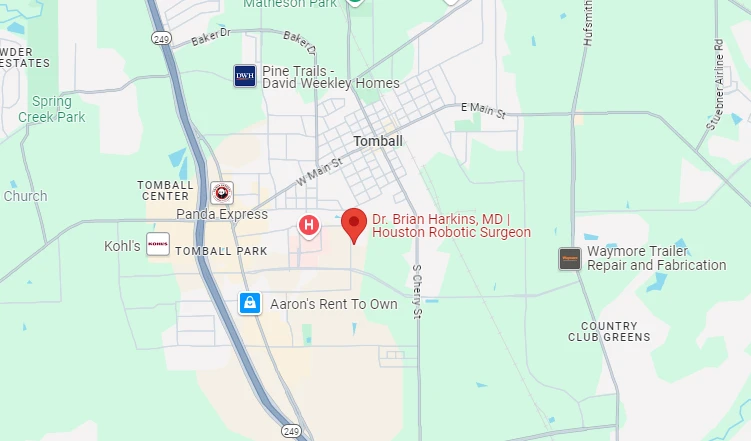
455 School St. Bldg. 1, Suite 10 Tomball, Texas 77375
Mon-Thu: 9:00 am – 5:00 pm | Fri: 9:00 am – 2:00 pm


Avoid heavy lifting over 10 to 15 pounds, intense core exercises like sit-ups and planks, high-impact and contact sports, and any straining or breath-holding known as the Valsalva maneuver. These activities sharply raise intra-abdominal pressure, which can enlarge the hernia, increase pain, or lead to serious complications.
If you've been diagnosed with a hernia in Tomball, TX, you're probably wondering what you can and can't do without making it worse. Many people ask whether they can keep exercising, what counts as "heavy lifting," and how long they'll need to avoid normal activities after surgery.
The truth is that certain movements and physical tasks increase pressure in your abdomen, which can enlarge the hernia, cause more pain, or even lead to serious complications. This guide will walk you through the specific activities to avoid before and after hernia repair, safe alternatives to stay active, and what to expect during recovery so you can protect your health without putting your life on hold.
When you have a hernia, certain movements and activities can make the condition worse or even lead to serious complications. The key concern is intra-abdominal pressure (IAP), the force inside your abdomen that pushes against weakened tissue.
Activities that sharply increase IAP put direct stress on the hernia site. This can cause the bulge to enlarge, increase pain, and in rare cases, lead to strangulation where blood supply is cut off. Understanding which activities to avoid helps protect you whether you're waiting for surgery or recovering afterward. National health resources such as MedlinePlus note that untreated hernias can cause pain and health problems, which is why managing pressure matters.
Certain exercises and movements are particularly dangerous when you have a hernia. These activities dramatically raise pressure in your abdomen and should be avoided entirely until your doctor clears you. The table below summarizes the four highest-risk categories before each is explained in detail.
| Category | Examples | Why It's Risky |
| Heavy lifting | Weightlifting, moving furniture, heavy grocery bags, lifting children or pets, yard work with heavy equipment | Puts significant strain on the abdominal wall and can enlarge an existing hernia |
| Intense core exercises | Sit-ups, crunches, planks, heavy deadlifts and squats, leg raises, Russian twists | Forces core muscles to contract outward against the hernia |
| High-impact and contact sports | Football, rugby, hockey, basketball, volleyball, soccer, martial arts, running and sprinting | Impact, twisting, and sudden directional changes aggravate hernias |
| Valsalva maneuver | Straining on the toilet, breath-holding during lifts, wind instruments, breath-retention yoga | Spikes abdominal pressure and forces contents through the hernia opening |
Lifting anything over 10 to 15 pounds puts significant strain on your abdominal wall. This includes weightlifting at the gym, moving furniture or boxes, carrying heavy grocery bags, lifting children or pets, and yard work involving heavy equipment.
The strain from heavy lifting can cause an existing hernia to grow larger or become more symptomatic. Even if you feel strong enough, the internal pressure created during lifting works against the weakened area.
Exercises that directly engage your abdominal muscles create dangerous pressure on hernia sites. Avoid sit-ups and crunches, planks and side planks, heavy deadlifts and squats, leg raises, and Russian twists.
These exercises force your core muscles to contract forcefully, pushing outward against the hernia. What might strengthen a healthy abdomen can worsen a compromised one.
Activities involving sudden movements, jumping, or physical contact pose multiple risks. These include football, rugby, and hockey, basketball and volleyball, soccer, martial arts, and running, especially sprinting. The combination of impact, twisting, and sudden directional changes can aggravate hernias and increase the risk of acute complications.
The Valsalva maneuver, holding your breath while straining, dramatically spikes abdominal pressure. This happens during straining during bowel movements, holding your breath during heavy lifts, playing wind instruments, and certain yoga poses with breath retention. This maneuver can push abdominal contents through the hernia opening with significant force.
Having a hernia doesn't mean you must be completely sedentary. Several activities allow you to maintain fitness without putting excessive strain on your abdomen.
| Activity | Guidance |
| Walking | One of the safest options; start with shorter distances and gradually increase as comfortable |
| Swimming and water aerobics | Water supports body weight; avoid aggressive butterfly strokes or racing starts |
| Gentle yoga | Skip deep twists, forward folds, and abdominal compression; inform your instructor about your hernia |
| Low-resistance cycling | Keep pace moderate; avoid steep hills or high-resistance settings requiring forceful pedaling |
Walking is one of the safest exercises for people with hernias. It provides cardiovascular benefits, helps maintain healthy body weight, and involves minimal abdominal strain.
Water-based activities are excellent choices because the water supports your body weight and reduces strain. Swimming uses smooth, controlled movements that don't spike abdominal pressure. Modified yoga can be safe, but you must avoid certain poses that compress your abdomen. Stationary or outdoor cycling at low resistance provides good cardiovascular exercise without excessive abdominal engagement. These alternatives help you stay active and maintain muscle tone without risking hernia complications.
If you're diagnosed with a hernia but haven't had surgery yet, activity restrictions help prevent the hernia from worsening. Unrepaired hernias can gradually enlarge over time, especially with continued strain.
The goal during this watchful waiting period is to minimize activities that increase abdominal pressure. This doesn't cure the hernia, but it reduces the risk of it becoming larger or symptomatic. For some people with small, asymptomatic hernias and multiple health conditions, watchful waiting may be a long-term approach rather than temporary.
However, if your hernia is causing pain or affecting daily activities, delaying surgery while continuing high-risk activities can lead to emergency situations. Strangulation, where tissue becomes trapped and loses blood supply, requires urgent surgery and carries higher complication risks than planned repairs.
After hernia repair surgery, activity restrictions become even more important. Your body needs time to heal, and the repair site must integrate properly to prevent recurrence. The phased timeline below shows how restrictions ease as you heal.
| Recovery Phase | Lifting Limit | Typical Activities |
| Initial recovery (Weeks 1-2) | Nothing over 5 to 10 pounds | Short walks only; rest frequently; no driving on pain medication; avoid bending, twisting, reaching |
| Early recovery (Weeks 3-6) | Increases to 15 to 20 pounds | Desk or light-duty work; longer walks; light household chores |
| Full recovery (Weeks 6-12) | Gradual return to heavy lifting | Light exercise from weeks 6 to 8 with approval; most normal activities after 12 weeks |
Immediately after surgery, you'll have the strictest limitations. Your incision needs time to close and begin healing, and any strain during this period can disrupt the repair. As healing progresses, you can gradually increase light activities, and most people can return to normal daily activities by week 4 to 6, though this varies based on your surgery type and individual healing.
Complete healing takes longer, and return to strenuous activities happens gradually. The type of surgical repair significantly affects your recovery timeline. Laparoscopic and robotic repairs typically allow faster return to activity than open surgery because they involve smaller incisions and less tissue disruption. However, all approaches require several weeks of restricted activity to ensure proper healing.
Recurrence rates highlight why following restrictions matters. For ventral hernias, 5-year recurrence rates are approximately 45% with mesh repair and 74% without mesh. Returning to strenuous activity too soon increases your risk of joining these statistics.
Hernias affect more than just exercise. They impact everyday tasks at work, home, and in caregiving situations.
Your occupation may require significant adjustments. Construction workers, warehouse staff, and manual laborers need extended time off or temporary reassignment to light duty. Healthcare workers who lift or transfer patients need assistance or modified duties. Delivery drivers and movers should avoid their usual lifting tasks, while office workers typically return to work sooner but may need ergonomic adjustments. Discuss your restrictions with your employer early, as many workplaces can provide temporary accommodations during recovery.
Daily home activities often involve more lifting than people realize. Helpful adjustments include:
Straining during bowel movements increases abdominal pressure significantly. Prevent constipation by drinking plenty of water, eating high-fiber foods, using stool softeners if recommended by your doctor, not delaying when you feel the urge, and avoiding pain medications that cause constipation when possible. Managing bowel health is a crucial but often overlooked part of hernia care.
Persistent coughing repeatedly stresses your abdominal wall. Quit smoking, as it's one of the most important steps you can take. Manage underlying conditions like COPD, asthma, or allergies, treat respiratory infections promptly, and use cough suppressants when appropriate. Chronic cough not only worsens existing hernias but also increases recurrence risk after repair.
Several strategies can help protect your hernia and reduce symptoms while you wait for surgery or recover afterward.
Abdominal binders and compression garments wrap around your abdomen and provide gentle compression. They can reduce discomfort during daily activities, provide a reminder to move carefully, offer psychological comfort, and support the area during unavoidable activities. While binders don't prevent hernia progression or replace surgery, many people find them helpful for symptom management.
Prehabilitation, structured exercise and lifestyle optimization before surgery, has shown modest benefits in some studies. Under professional guidance, appropriate exercises can improve overall fitness for better surgical outcomes, strengthen surrounding muscles without stressing the hernia, optimize body weight, and improve nutrition status. Always work with healthcare professionals who understand your specific hernia type and limitations.
Different situations call for different approaches to activity management.
For a 45-year-old construction worker who develops an inguinal (groin) hernia and considers watchful waiting to avoid missing work, heavy lifting on the job site will continuously stress the hernia. Inguinal hernias don't heal on their own, and delaying repair while continuing strenuous work may result in emergency strangulation requiring more complex surgery. If the hernia is symptomatic, elective repair sooner rather than later is typically best. Post-operatively, avoid job duties for 6 to 8 weeks, though light-duty work like office tasks may resume by week 3 to 4.
For a new mother with a small umbilical hernia and minimal symptoms who wants to exercise to lose pregnancy weight, intense core exercises will strain the hernia and potentially enlarge it, yet staying sedentary isn't ideal either. Walking and swimming are safe options before any surgery. Many umbilical hernias are repaired after the postpartum period, and after repair, core-specific physical therapy is beneficial starting around weeks 6 to 8 to safely rebuild abdominal strength.
For a 78-year-old with multiple health conditions and a small asymptomatic inguinal hernia found during a routine exam, surgical intervention carries higher perioperative risk. However, strangulation risk is approximately 2 to 4% at three years for inguinal hernias. Watchful waiting is often appropriate here, with modest activity restrictions such as avoiding heavy lifting and managing any chronic cough, while monitoring carefully for pain, enlargement, or emergency symptoms.
While core activity restrictions apply to all hernias, understanding your specific type provides helpful context. This overview of common hernia conditions shows how restrictions shift by type.
Inguinal hernias, these groin hernias, account for about 75% of all abdominal hernias. They're most common in men and often develop from heavy lifting or straining, so activity restrictions focus heavily on avoiding lifting and exercises that increase lower abdominal pressure.
Umbilical hernias occur at the belly button and are common in infants, pregnant women, and people with obesity. Core exercises and activities that strain the front abdominal wall are particularly problematic.
Ventral and incisional hernias develop at the site of previous surgical incisions. They tend to be larger and have higher recurrence rates, so activity restrictions are critical both before and after repair, and recovery often takes longer.
Femoral hernias are less common and occur in the upper thigh area, carrying a higher strangulation risk than inguinal hernias. They typically require prompt surgical repair, and activity restrictions follow similar patterns to inguinal hernias.
Certain health conditions and lifestyle factors affect healing and recurrence risk, making careful activity management even more important.
Obesity increases abdominal pressure constantly, not just during specific activities, which makes hernias more likely to worsen and recur after repair. Smoking impairs wound healing and tissue strength, and smokers have higher complication and recurrence rates after hernia repair. Poor nutrition slows recovery and weakens repairs, since adequate protein and overall nutrition support tissue healing. Uncontrolled diabetes and medications that suppress the immune system both impair healing. For people with these risk factors, the consequences of returning to strenuous activity too soon can be more severe.
Successful hernia repair doesn't mean you can immediately return to all previous activities without thought. Long-term management helps prevent recurrence.
Once fully healed, most people can return to all normal activities, including exercise and heavy lifting. However, maintaining core strength through appropriate exercises helps support your abdominal wall, so work with a physical therapist to develop a safe strengthening program. Continue using proper lifting mechanics even after recovery by bending at the knees, keeping loads close to your body, and avoiding twisting while carrying weight.
Be mindful of the factors that contributed to your original hernia. If chronic cough, constipation, or occupational strain caused your hernia, addressing these underlying issues reduces recurrence risk. Regular follow-up with your surgeon helps catch any problems early, so report new bulges, pain, or changes promptly rather than waiting for your next scheduled appointment.
Avoid heavy lifting over 10 to 15 pounds, intense core exercises like sit-ups and planks, high-impact and contact sports, and any straining or breath-holding known as the Valsalva maneuver. These sharply raise abdominal pressure and can worsen the hernia.
Before surgery, avoid lifting anything over 10 to 15 pounds. After surgery, the limit is under 5 to 10 pounds during weeks 1 to 2, increasing to 15 to 20 pounds during weeks 3 to 6 as healing progresses.
Walking, swimming, water aerobics, gentle yoga, and low-resistance cycling are safe options. These maintain fitness without spiking abdominal pressure, though you should avoid deep yoga twists, forward folds, aggressive swim strokes, and high-resistance cycling.
Yes. Low-impact activities like walking and swimming are safe before surgery and help you stay active. The goal is to minimize activities that increase intra-abdominal pressure, which could enlarge the hernia while you wait for repair.
Most people return to light daily activities by weeks 4 to 6. Strenuous exercise and heavy lifting typically resume between weeks 6 and 12 with doctor approval, depending on your surgery type and individual healing.
No. Sit-ups, crunches, planks, leg raises, and Russian twists force your core muscles to contract outward against the hernia. What strengthens a healthy abdomen can worsen a compromised one, so these should be avoided.
The Valsalva maneuver is holding your breath while straining, which dramatically spikes abdominal pressure. It occurs during straining on the toilet, breath-holding lifts, playing wind instruments, and breath-retention yoga, and can push contents through the hernia opening.
Seek emergency care if your hernia becomes suddenly painful, firm, or non-reducible, or is accompanied by nausea, vomiting, or inability to pass gas or stool. These are signs of strangulation, which requires urgent surgery.
Abdominal binders provide gentle compression that can reduce discomfort and remind you to move carefully. However, they don't prevent hernia progression or replace surgery, so they are a symptom-management aid rather than a treatment.
Smoking, obesity, chronic cough, poor nutrition, and returning to strenuous activity too soon all increase recurrence risk. Addressing these underlying factors and following activity restrictions carefully helps protect your repair.
Living with a hernia, before or after repair, comes down to managing the pressure inside your abdomen. Avoiding heavy lifting, intense core work, high-impact sports, and straining protects the weakened area, while low-impact options like walking and swimming let you stay active without risking complications.
After surgery, following the phased recovery timeline and addressing risk factors like smoking, obesity, and chronic cough gives your repair the best chance to heal and stay durable. With the right precautions and guidance, you can protect your health and return to the activities you enjoy.
Get personalized activity guidance for your specific hernia.
Schedule a consultation with a Tomball hernia specialist today.


Dr. Brian Harkins is a renowned surgeon specializing in advanced, minimally invasive, and robotic surgical techniques. With a dedication to innovation and personalized patient care, he has transformed countless lives by delivering exceptional outcomes.
I want a website like this, where do i start?