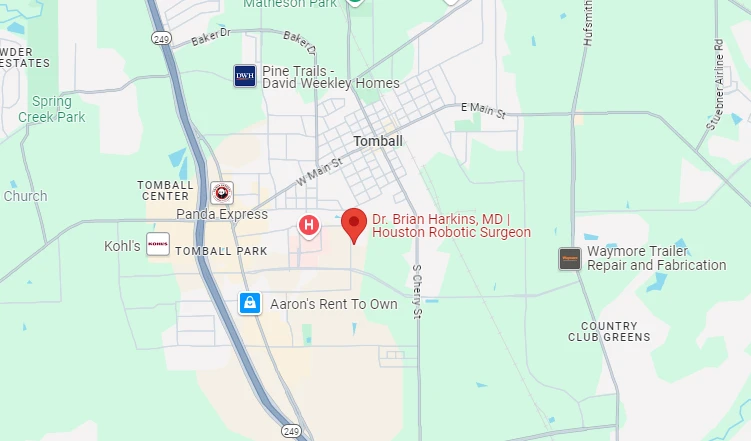
455 School St. Suite 10 Tomball, Texas 77375
Mon-Thu: 9:00 am – 5:00 pm | Fri: 9:00 am – 2:00 pm


Most patients feel significantly better after gallbladder removal, with laparoscopic cholecystectomy relieving biliary pain and digestive distress at a very low mortality rate of 0.22 to 0.4 percent. Outcomes depend heavily on having clear symptoms beforehand. Some digestive changes like diarrhea are common but manageable, and a minority develop ongoing postcholecystectomy syndrome.
If you're facing gallbladder removal in Tomball, TX, you're probably wondering whether life will actually improve after surgery, or if you'll be trading one set of problems for another. The good news is that laparoscopic cholecystectomy is a safe procedure that relieves biliary pain and digestive distress for most patients, but outcomes depend heavily on accurate diagnosis and understanding what to expect.
In this guide, you'll learn how gallbladder removal affects your digestion, what symptoms typically improve, the risks of persistent issues like postcholecystectomy syndrome, and how to set realistic expectations for your recovery and long-term quality of life.
When it comes to gallbladder removal, you have two main surgical approaches. Laparoscopic cholecystectomy has become the preferred technique because it offers smaller incisions, faster recovery, and fewer complications overall.
During a laparoscopic procedure, your surgeon makes several small incisions and uses a tiny camera to guide the surgery. Most patients go home the same day once they can eat, drink, and walk comfortably. The entire operation typically takes one to two hours. Because the incisions are small, there is less tissue disruption, which translates directly into less pain and a quicker return to daily life than open surgery allows.
Open surgery involves a single large incision about 15 centimeters long. While sometimes necessary for complicated cases, it requires a longer hospital stay of 2 to 3 days and a recovery period of 4 to 6 weeks. Surgeons generally reserve the open approach for situations where severe inflammation, scar tissue from prior operations, or unclear anatomy makes the laparoscopic route unsafe, rather than choosing it by preference.
The differences between these approaches are significant for your daily life. The table below compares the two.
| Factor | Laparoscopic Approach | Open Approach |
| Incisions | Several small | One large, about 15 cm |
| Hospital stay | Often same-day discharge | 2 to 3 days |
| Return to normal activity | About 1 week | 4 to 6 weeks |
| Average cost in Texas | Around $9,664 | Typically over $12,000 |
Patients who had laparoscopic surgery also report higher satisfaction with their surgical scars, which is an important quality-of-life consideration.
The mortality rate for laparoscopic gallbladder removal is very low, between 0.22 percent and 0.4 percent. However, like any surgery, complications can occur.
Certain factors increase your risk, including being male, older age, elevated inflammatory markers, acute gallbladder inflammation, and a gallbladder wall thicker than 3 millimeters. Your surgeon will assess these factors before recommending surgery. None of them is necessarily a reason to avoid the operation, but together they help set realistic expectations and shape the surgical plan, including whether an open approach should be anticipated.
For most people with gallbladder problems, life genuinely improves after surgery. Studies measuring quality of life before and after laparoscopic cholecystectomy show significant improvements compared to how patients felt before the procedure. For someone who has endured repeated attacks of biliary pain, the relief of no longer fearing the next episode is often as meaningful as the resolution of the physical symptoms themselves.
In one study, 42 percent of patients were satisfied and 33.5 percent were very satisfied with their overall quality of life after surgery. The key factor is having clear symptoms before surgery, which tends to predict better outcomes. In other words, the patients who benefit most are those whose pain and digestive problems were clearly traceable to the gallbladder in the first place, which is exactly why a careful diagnosis is worth the time it takes.
Your gallbladder normally stores bile between meals and releases it when you eat fatty foods. After removal, bile flows continuously from your liver into your intestine, which can create a mild laxative effect. Without the gallbladder acting as a reservoir, there is no longer a concentrated release timed to your meals, and your digestive system gradually adapts to the steadier supply.
This change is usually temporary, but some people experience ongoing digestive adjustments. Understanding what to expect helps you manage these changes effectively rather than being caught off guard by them in the weeks after surgery. The adjustment period varies from person to person, and what feels disruptive in the first month often settles into a new normal.
Between 2 percent and 57 percent of patients experience diarrhea after gallbladder removal, though the wide range reflects different definitions and study methods. Among those tested, about 63 percent had bile acid diarrhea, which happens when excess bile acids irritate your colon. The good news is that this specific cause is both identifiable and treatable, so chronic diarrhea after surgery is rarely something you simply have to live with.
Fortunately, dietary changes often provide relief:
If dietary changes don't help enough, medications called bile acid binders can provide substantial relief by reducing the laxative effect of bile acids.
Postcholecystectomy syndrome (PCS) refers to ongoing or returning abdominal pain that feels similar to your original gallbladder symptoms. Recent research shows this affects about 3 percent to 15 percent of patients, depending on how it is defined. The variation in that estimate reflects how differently studies classify the condition rather than genuine uncertainty about whether it occurs.
Not all post-surgery discomfort is PCS. Many cases have identifiable causes that can be treated once they are correctly diagnosed, which is why persistent pain deserves a proper workup rather than being dismissed as an unavoidable consequence of surgery.
Certain factors increase your likelihood of experiencing PCS:
About half of PCS cases stem from biliary causes like retained stones, bile duct strictures, or sphincter problems. The other half involve non-biliary issues such as acid reflux, ulcers, pancreatitis, or irritable bowel syndrome. This split matters because it means a meaningful share of ongoing symptoms were never about the gallbladder at all, and identifying the true source is what makes effective treatment possible.
In one study, about two-thirds of patients had digestive symptoms before surgery. Six months after surgery, this dropped to about 31 percent, a significant improvement that reflects how effective the operation is for the right candidates. The reduction is substantial, but the fact that roughly a third still reported symptoms is a reminder that surgery resolves most, not all, digestive complaints.
However, roughly 19 percent reported continuing or worse symptoms, often linked to gastritis or psychological stress. This highlights the importance of realistic expectations and comprehensive care, and it is one reason a thorough evaluation of your colon and rectal and digestive health before surgery matters. Identifying coexisting conditions in advance helps predict who is most likely to benefit and prepares patients for the possibility that some symptoms may need separate treatment.
Patients with clear gallbladder symptoms benefit far more than those without symptoms. If you're experiencing regular pain, nausea, or digestive problems related to gallstones, surgery typically brings significant relief.
The improvement in quality of life depends heavily on your condition before surgery. People with vague or atypical complaints may see less benefit or even feel worse afterward. This is one of the most important things to understand before committing to a permanent procedure, since removing the gallbladder cannot resolve a problem that was originating somewhere else in the digestive tract.
If you have gallstones but no symptoms, surgery is generally not recommended. The risk of complications from silent gallstones is relatively low, while surgery always carries some risk, however small. For an organ that is causing no trouble, that balance usually favors watchful waiting rather than intervention.
Your doctor will help you weigh the specific risks and benefits based on your individual situation, drawing on experience with robotic gallbladder surgery and the full range of minimally invasive options.
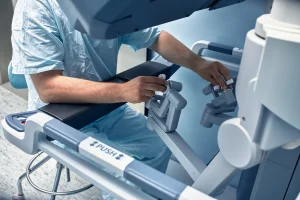
Surgical care in the Tomball and Houston area includes advanced minimally invasive techniques, including both laparoscopic and robotic-assisted surgery. These approaches use tiny cameras and specialized instruments to remove your gallbladder with minimal disruption to surrounding tissue. Having this level of care available locally means most patients do not need to travel far for a procedure that was once far more invasive than it is today.
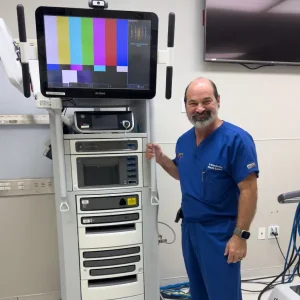
Dr. Brian Harkins manages gallbladder disease using state-of-the-art laparoscopic methods, giving Tomball residents access to an experienced Tomball robotic surgeon and modern facilities close to home. National health resources such as MedlinePlus provide background on gallbladder removal for patients who want to understand the procedure in general terms.
Healthcare costs vary significantly, even within Texas. Laparoscopic gallbladder removal in Texas ranges from about $7,800 to $14,500, with the average around $9,664. Where your procedure falls within that range depends largely on the facility and your specific insurance arrangement rather than on the surgery itself.
Local charges can range from approximately $4,600 to $10,800 depending on your insurance coverage, the specific facility, and whether complications arise. Always request a detailed cost estimate from your surgeon's office and verify your insurance coverage before scheduling surgery. Many practices offer payment plans or financial counseling to help manage out-of-pocket expenses. Confirming in advance whether the facility, surgeon, and anesthesia group are all in your network is the single most effective way to avoid an unexpected bill after the procedure.
For most people with clear gallbladder symptoms, yes. Studies show significant quality-of-life improvement after laparoscopic cholecystectomy, with about 75 percent of patients satisfied or very satisfied. Outcomes are best when symptoms were clearly gallbladder-related beforehand.
Very safe. The mortality rate is between 0.22 and 0.4 percent. Risk factors that raise it include being male, older age, acute inflammation, and a gallbladder wall thicker than 3 millimeters, all of which your surgeon assesses beforehand.
Most patients go home the same day and return to normal activities in about one week. Open surgery, used for complicated cases, requires a 2 to 3 day hospital stay and 4 to 6 weeks of recovery.
After removal, bile flows continuously into the intestine instead of being released in bursts, which can create a laxative effect. Among patients tested, about 63 percent had bile acid diarrhea, where excess bile acids irritate the colon.
Dietary changes usually help: low-fat foods, gradual soluble fiber, smaller frequent meals, and less caffeine. If diet is not enough, bile acid binders reduce the laxative effect and provide substantial relief for many patients.
PCS is ongoing or returning abdominal pain similar to your original gallbladder symptoms. It affects about 3 to 15 percent of patients. About half of cases are biliary in origin and half stem from unrelated digestive conditions.
Risk is higher with complications before or during surgery, severe pre-surgery symptoms, anxiety or depression, open rather than laparoscopic surgery, and residual cystic duct tissue. Clear symptoms beforehand predict better outcomes.
Generally no. If gallstones are found incidentally and cause no symptoms, surgery is usually not recommended, since the risk of complications from silent stones is relatively low while surgery always carries some risk.
Some digestive change is normal since bile flows continuously afterward. For most patients the effect is mild and improves over time. A minority need ongoing dietary adjustments or treatment for conditions like bile acid diarrhea.
Laparoscopic removal ranges from about $7,800 to $14,500, averaging around $9,664. Costs vary by facility, insurance coverage, and whether complications arise. Request a detailed estimate and verify coverage before scheduling.
For most people with genuine gallbladder symptoms, life after removal is a clear improvement. Laparoscopic cholecystectomy is one of the safest abdominal operations performed, relieves the pain and digestive distress that brought you to surgery, and lets most patients return to normal life within a week.
The honest qualifier is that outcomes track closely with your condition going in. Clear, gallbladder-related symptoms predict the best results, while vague complaints predict less benefit and occasionally more disappointment. Some digestive change is normal and manageable, and the small share of patients who develop ongoing symptoms usually have treatable causes worth pursuing rather than accepting.
Get a clear diagnosis before deciding on surgery.
Schedule a consultation with a Tomball gallbladder specialist today.


Dr. Brian Harkins is a renowned surgeon specializing in advanced, minimally invasive, and robotic surgical techniques. With a dedication to innovation and personalized patient care, he has transformed countless lives by delivering exceptional outcomes.
I want a website like this, where do i start?