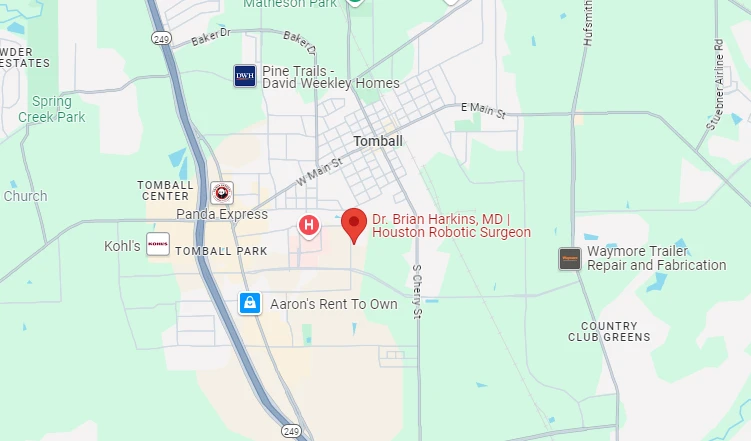
455 School St. Bldg. 1, Suite 10 Tomball, Texas 77375
Mon-Thu: 9:00 am – 5:00 pm | Fri: 9:00 am – 2:00 pm


Sharp, sudden pain in your upper right abdomen after eating fatty meals could be the first warning sign of gallbladder problems, a condition affecting 20 million Americans annually, with women at twice the risk.
Sharp, sudden pain in your upper right abdomen after enjoying a fatty meal could signal the first signs of gallbladder problems. This condition affects 20 million Americans each year, with women experiencing twice the risk due to hormonal influences on bile composition.
Recognizing these early warning symptoms becomes crucial when you consider that untreated gallbladder disease can lead to serious complications requiring emergency intervention. The characteristic pain typically radiates to your back or shoulder, appearing 30 minutes to two hours after eating, signaling your body's distress call.
Understanding these initial warning signs empowers you to seek timely care from a qualified general surgeon, potentially preventing complications and ensuring the best possible treatment outcomes.
Gallbladder disease represents a complex spectrum of conditions affecting millions of people worldwide, with distinctive patterns of symptom development and progression. The pathophysiology involves intricate interactions between genetic predisposition, metabolic factors, and bile composition changes that can lead to various complications. Recognizing the early signs and understanding the disease process is crucial for timely intervention and optimal outcomes.
Gallbladder disease encompasses several distinct conditions, each with unique characteristics and clinical presentations. The most common form involves gallstone formation, which occurs when bile becomes oversaturated with cholesterol or bilirubin, leading to precipitation and crystal formation.
Key types of gallbladder disease include:
Approximately 80% of individuals with gallstones remain asymptomatic throughout their lives, while only 10% develop symptoms within five years of diagnosis. This statistic highlights the variable nature of gallbladder disease progression and the importance of understanding different manifestations.
Gallbladder disease affects 20 million Americans annually, with striking demographic patterns that reveal important risk factors. Women experience twice the incidence of men due to estrogen effects on bile composition, particularly during pregnancy and menopause periods.
Native American populations show the highest gallstone prevalence rates, approaching 60% in some age groups, followed by Hispanic populations. These demographic variations suggest strong genetic components, with genetic factors accounting for 25-30% of overall disease risk. Age also plays a significant role, as gallbladder disease becomes increasingly common after age 40.
According to Johns Hopkins Medicine, the gender disparity becomes particularly pronounced during reproductive years when hormonal influences peak.
The formation of gallstones involves complex biochemical processes that disrupt normal bile composition and flow. When bile becomes oversaturated with cholesterol or bilirubin, microscopic crystals begin to form and gradually accumulate into larger stones over time.
Cholecystitis occurs in 90% of acute cases due to cystic duct obstruction by gallstones, creating inflammation and potential complications. The bile composition changes can result from various factors, including diet, genetics, rapid weight changes, and hormonal fluctuations. Understanding these mechanisms helps explain why certain populations and individuals face higher risks than others.
Early recognition of gallbladder disease symptoms can prevent serious complications and improve treatment outcomes. The characteristic presentations vary from subtle discomfort to severe pain episodes, with specific patterns that help distinguish gallbladder issues from other conditions. Understanding these early warning signs enables timely medical evaluation and appropriate intervention strategies.
The characteristic early symptom is sudden, sharp pain in the upper right abdomen radiating to the back or shoulder, typically occurring 30 minutes to 2 hours after eating fatty meals. This pain pattern, known as biliary colic, represents the hallmark presentation of gallbladder disease.
Biliary colic characteristics include:
The pain often reaches peak intensity within minutes and maintains a steady, cramping quality rather than fluctuating like other abdominal conditions. Patients frequently describe the sensation as deep, aching pressure that makes them restless and unable to find comfortable positions.
Beyond the characteristic pain, gallbladder disease produces various digestive symptoms that may precede or accompany pain episodes. These symptoms often develop gradually and may be initially attributed to other digestive issues.
Nausea and vomiting commonly accompany pain episodes, particularly during acute attacks. Patients may experience persistent bloating, gas, and intolerance to fatty foods that progressively worsen over time. Some individuals report changes in bowel habits, including loose stools or constipation, along with general digestive discomfort.
According to Mayo Clinic, these associated symptoms often prompt patients to modify their diets instinctively, avoiding trigger foods before receiving a formal diagnosis.
Many patients experience subtle symptoms weeks or months before developing classic biliary colic attacks. These early manifestations often go unrecognized but represent important opportunities for early intervention.
Early warning signs may include:
These subtle symptoms often coincide with periods of dietary changes, stress, or hormonal fluctuations. Recognizing these patterns helps distinguish gallbladder issues from general digestive complaints and guides appropriate diagnostic evaluation.
Certain symptoms require immediate medical attention as they may indicate serious complications such as acute cholecystitis, bile duct obstruction, or gallbladder rupture. These emergency presentations can develop rapidly and pose significant health risks without prompt treatment.
Emergency warning signs include fever above 101°F, persistent pain exceeding 2 hours, jaundice with dark urine and clay-colored stools, and severe nausea/vomiting. These symptoms may indicate complications such as ascending cholangitis, which requires emergency intervention, or gallbladder perforation, with historically 20% mortality rates.
Patients experiencing these warning signs should seek immediate medical evaluation rather than attempting home management or waiting for symptoms to resolve spontaneously.
Accurate diagnosis of gallbladder disease relies on a combination of clinical assessment, laboratory testing, and advanced imaging techniques. Modern diagnostic approaches have evolved to provide rapid, reliable identification of gallbladder pathology while minimizing patient discomfort and healthcare costs. Understanding these diagnostic tools helps patients prepare for evaluation and comprehend their test results.
Abdominal ultrasound serves as the gold standard diagnostic test with 95% sensitivity and specificity for gallstone detection. This non-invasive imaging technique provides real-time visualization of gallbladder structure, wall thickness, and stone presence without radiation exposure.
Ultrasound advantages include:
The examination typically requires fasting for 8-12 hours to ensure optimal gallbladder distension and visualization. Ultrasound can also identify complications such as gallbladder wall thickening, pericholecystic fluid, and bile duct dilation that suggest inflammatory processes or obstruction.
When ultrasound results are inconclusive or complications are suspected, advanced imaging studies provide additional diagnostic information. CT scans excel at identifying complications such as gallbladder perforation, abscess formation, or pancreatitis associated with gallstone disease.
HIDA scans (hepatobiliary iminodiacetic acid) offer functional assessment of gallbladder emptying and bile flow dynamics. This nuclear medicine study can diagnose gallbladder dysfunction even when structural abnormalities are not apparent on other imaging studies. ERCP (endoscopic retrograde cholangiopancreatography) combines diagnostic imaging with therapeutic intervention capabilities for bile duct evaluation and stone removal.
According to the Cleveland Clinic, these advanced techniques become particularly valuable when patients present with atypical symptoms or when surgical planning requires detailed anatomical assessment.
Laboratory studies complement imaging findings by identifying inflammatory processes, liver function abnormalities, and complications associated with gallbladder disease. Elevated white blood cell counts suggest acute inflammation, while liver function tests can reveal bile duct obstruction or hepatic involvement.
Common laboratory abnormalities seen in gallbladder disease include elevated bilirubin levels, which may signal common bile duct obstruction, and increased alkaline phosphatase (ALP) or gamma-glutamyl transferase (GGT), which often indicate cholestasis. When gallstones migrate into the common bile duct, liver enzymes such as AST and ALT may rise sharply, sometimes mimicking patterns seen in acute hepatitis.
Inflammatory markers—including C-reactive protein (CRP) and erythrocyte sedimentation rate (ESR)—help assess the severity of inflammation, especially in acute cholecystitis or cholangitis. Elevated lipase or amylase may point toward gallstone pancreatitis, a potentially serious complication requiring urgent evaluation.
When combined with clinical presentation and imaging findings, these laboratory biomarkers provide a comprehensive diagnostic picture. They not only confirm inflammatory or obstructive processes but also help guide decisions about the timing of surgical intervention, need for hospitalization, and risk of complications.
Recognizing gallbladder disease early can prevent serious complications and improve treatment outcomes significantly. The characteristic pain patterns, digestive symptoms, and subtle warning signs discussed throughout this guide provide crucial opportunities for timely intervention. With 20 million Americans affected annually and excellent success rates for modern laparoscopic treatment, understanding these symptoms empowers patients to seek appropriate care before emergency situations develop.
Don’t ignore persistent upper right abdominal pain, fatty food intolerance, or other signs of gallbladder disease. For expert diagnosis and treatment in Tomball, Texas, schedule a consultation with Dr. Brian Harkins, a board-certified general surgeon. Discuss your symptoms and learn about advanced options like minimally invasive laparoscopic cholecystectomy, which offers rapid recovery and excellent long-term outcomes.
The first signs include sudden, sharp pain in the upper right abdomen radiating to the back or shoulder, typically occurring 30 minutes to 2 hours after eating fatty meals. Early warning signs may include persistent right upper quadrant tenderness, increased sensitivity to fatty foods, unexplained fatigue after meals, and mild intermittent nausea.
Biliary colic attacks typically last from 15 minutes to several hours. The pain reaches peak intensity within minutes and maintains a steady, cramping quality rather than fluctuating. Patients experiencing persistent pain exceeding 2 hours should seek immediate medical attention, as this may indicate serious complications requiring emergency treatment.
Yes, approximately 80% of individuals with gallstones remain asymptomatic throughout their lives, while only 10% develop symptoms within five years of diagnosis. This statistic highlights the variable nature of gallbladder disease progression and explains why many people unknowingly have gallstones without any discomfort or complications.
Avoid fatty foods as they commonly trigger biliary colic attacks occurring 30 minutes to 2 hours after consumption. Patients often experience increased sensitivity to fatty foods and instinctively modify their diets before formal diagnosis. Focus on lean proteins, fiber, and small, frequent meals to minimize gallbladder stress and symptom occurrence.
Emergency surgery is required when patients develop a fever above 101°F, persistent pain exceeding 2 hours, jaundice with dark urine and clay-colored stools, or severe nausea/vomiting. These symptoms may indicate complications such as ascending cholangitis, gallbladder perforation with a historically 20% mortality rate, or bile duct obstruction requiring immediate intervention.
Abdominal ultrasound serves as the gold standard diagnostic test with 95% sensitivity and specificity for gallstone detection. This non-invasive imaging provides real-time visualization without radiation exposure, can detect stones as small as 2-3 millimeters, and assesses gallbladder wall thickness and inflammation. The examination requires 8-12 hours of fasting for optimal results.
Laparoscopic cholecystectomy offers same-day discharge with 1-2 week recovery periods and excellent long-term outcomes in over 95% of patients. This minimally invasive approach has revolutionized gallbladder surgery, significantly reducing recovery time compared to traditional open surgery while maintaining high success rates and patient satisfaction.
While some cases may be managed conservatively through dietary modifications and medications, laparoscopic cholecystectomy offers definitive treatment with excellent outcomes. Post-cholecystectomy syndrome affects 10-40% of patients but responds well to dietary modifications. Ursodeoxycholic acid may be used for stone dissolution in select cases, though surgery remains the gold standard.
Untreated gallstones can lead to serious complications, including gallbladder rupture with 20% historical mortality, common bile duct obstruction causing jaundice, ascending cholangitis requiring emergency intervention, and gallstone pancreatitis. Cholecystitis occurs in 90% of acute cases due to cystic duct obstruction, emphasizing the importance of timely treatment when symptoms develop.
Seek a board-certified general surgeon with extensive laparoscopic experience and high success rates. Look for surgeons affiliated with accredited hospitals offering modern minimally invasive techniques. Consider factors like hospital quality ratings, surgeon volume, patient outcomes, and same-day discharge capabilities. Consultation should include a discussion of risks, benefits, and the expected recovery timeline for your specific case.


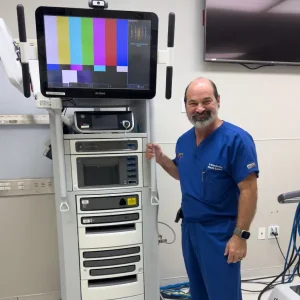
Dr. Brian Harkins is a renowned surgeon specializing in advanced, minimally invasive, and robotic surgical techniques. With a dedication to innovation and personalized patient care, he has transformed countless lives by delivering exceptional outcomes.
I want a website like this, where do i start?